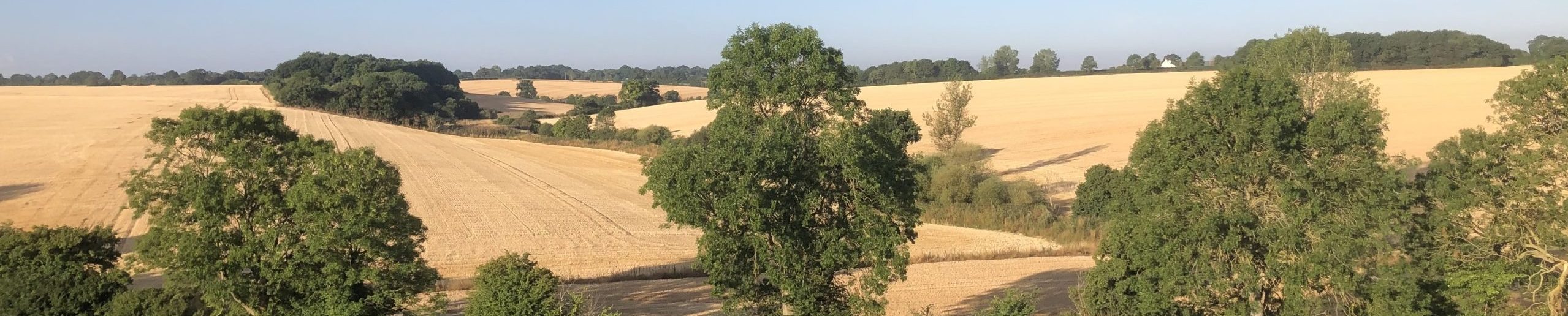
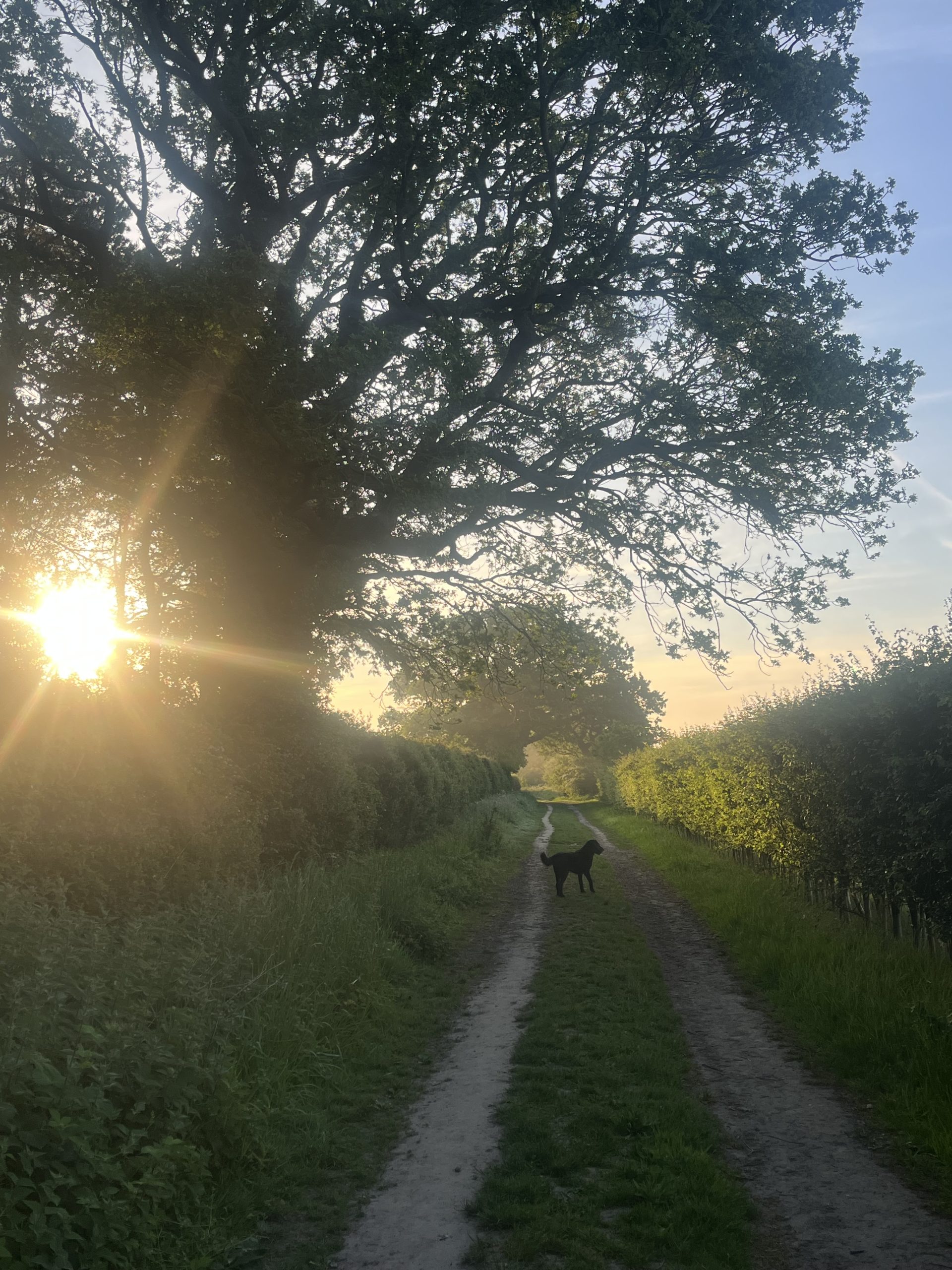
From the freshness of a Suffolk spring we were skyrocketed into mid-August. Or so it felt, as the mercury mounted to the mid-30s at the month’s end. Oh, the glory of those mornings when the world was made new in purity and beauty, each dawning day an Eden.
Another month, another funeral. He was younger than me, as happens with increasing frequency. This brings the intimations of one’s own mortality sharply into consciousness and focus.
The glorious lamp of heaven, the sun,
The higher he’s a-getting,
The sooner will his race be run,
And nearer he’s to setting.
I become a connoisseur of these closing ceremonies, which are sometimes sombre, sometimes defiantly cheerful, and this was perhaps the most splendid of them all. The enormous minster-size church in north Essex, originally built with the wealth of wool, must have welcomed the best part of 300 souls on this occasion. The great and the good were there; the City of London was there (the deceased was ‘Chief Commoner’ for a double tenure in the early 2020s); Fleet Street was there; business colleagues and acquaintances were there; and I was there sitting with the current chair and treasurer of the Confraternity of Pilgrims to Rome.
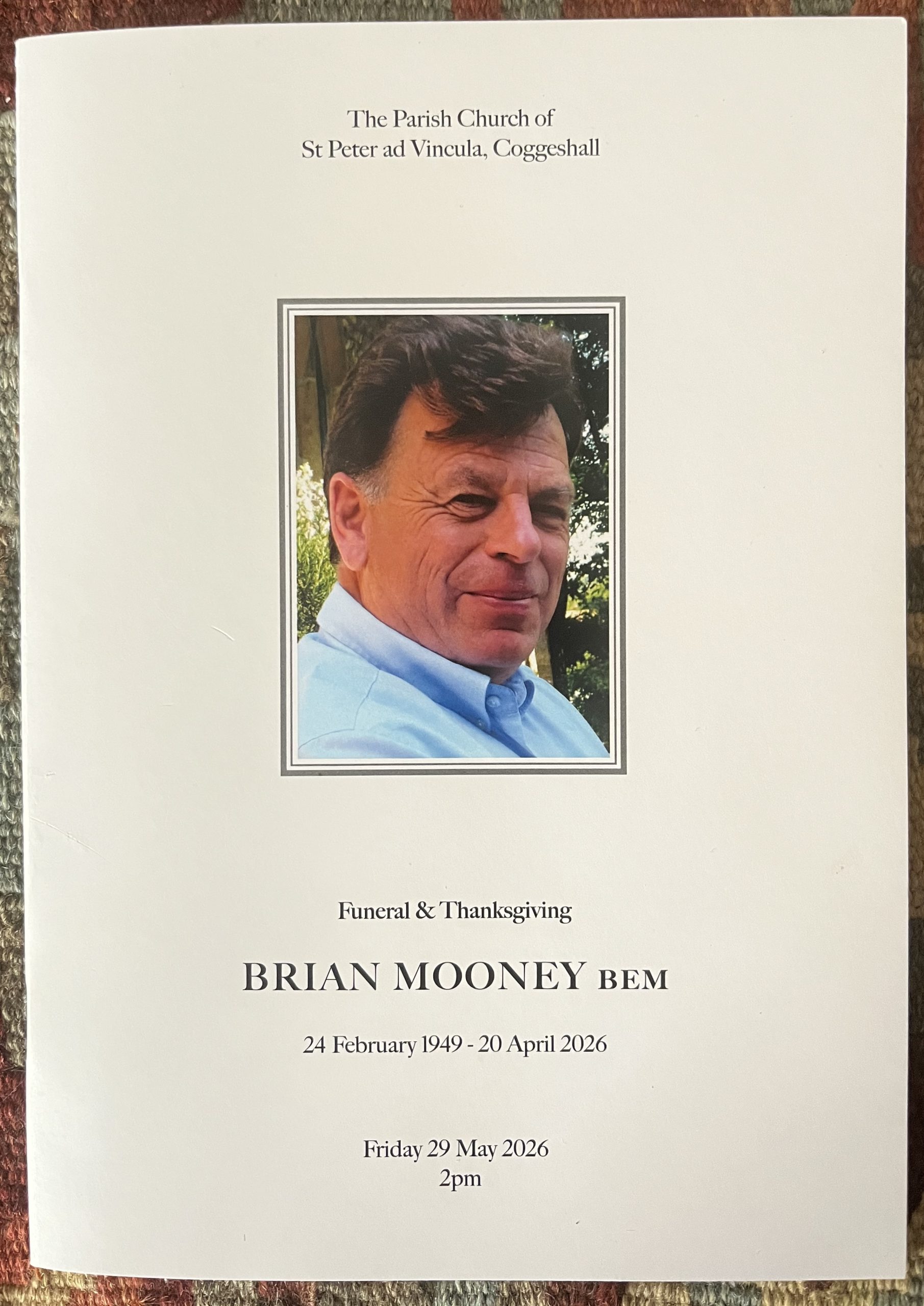
That is how I knew Brian Mooney, then chair of the Confraternity. He invited me to speak at their 2017 AGM about my walking pilgrimage from Canterbury to Rome the previous year. As chance would have it, he also appealed at the event for a volunteer with editorial experience to replace the great Alison Raju, and the rest is – as they say – history.
The magnificence of the funeral (the coffin was carried out to the Triumphal March from Aïda), which I think would have greatly pleased the deceased, was not without some justification. The man was a celebrated sportsman, sailor, skier, mountaineer, and – for me, above all – pilgrim walker; author of some 16 books; one of the youngest Reuters bureau chiefs, famed for his award-winning coverage of Communist Poland in the early 1980s, which was the centrepiece of a career that took him to more than 50 countries.
Mooney was charming and irascible and lacking in diplomacy, a denier of man-made climate change, and he described himself as (and was) a contrarian. But he was kind to me. And so I went to mourn him. I sat there in awe, and made vague promises to myself that I should henceforth not care what people think of me, for it is said I am true to my name and…quite contrary.
Let us return to country matters…
Readers acquainted with this chronicle will be accustomed to my obsession with the weather. I am, after all, a gardener, and gardeners are wise to listen to weather lore. In these days of undeniably changing climate patterns it can be comforting when the traditional weather calendar holds good.
And this calendar is so often bound up with the Church’s year, as I have written before. The saints have their times and seasons, their feasts and their memorials, by which we mark the weather. We speak of St Luke’s Little Summer – a period of calm, dry, and unseasonably warm weather that often occurs around his feast day on 18 October, and it seems that in fact mid-October in the UK is frequently dominated by high pressure systems, which clear the skies and can bring pleasant mild weather. And of course around the feast of St Swithun on 15 July a pattern often settles in for a month or so: ‘St Swithun’s day if thou dost rain, for forty days it will remain’.
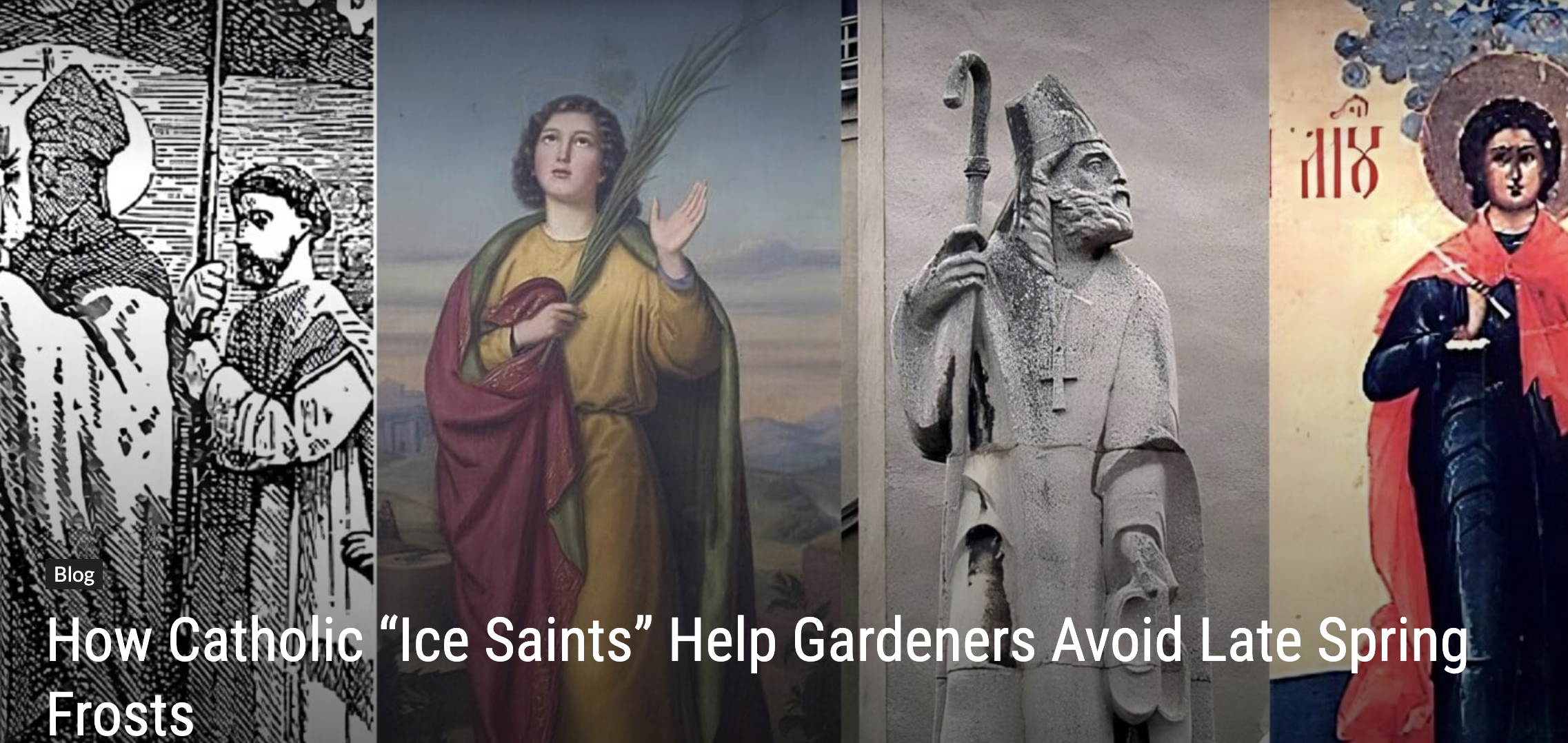
This May the ‘Ice Saints’ struck again, bringing bitterly cold nights with sharp frosts, bang on cue on 11, 12 and 13 May. St Mamertus, St Pancras, and St Servatius are associated with historical cold snaps that can endanger any tender plants put out too early by impatient gardeners in a precipitate rush to “get ahead”. All my seedlings had long outgrown their pots and needed the space of the garden, but I held off. Had I not I’d have lost the lot.
It does to pay attention to the saints.
No sooner had the Ice Saints loosened their frosty grip when the heat soared, and the country sweltered in the 30ºs, breaking twice over the 1944 record for the hottest days in May. No need this year to heed “Ne’er cast a clout till May be out’. Whether we take that as being May the (hawthorn) tree, or May the month, winter clothing and bedding have long since been packed away.
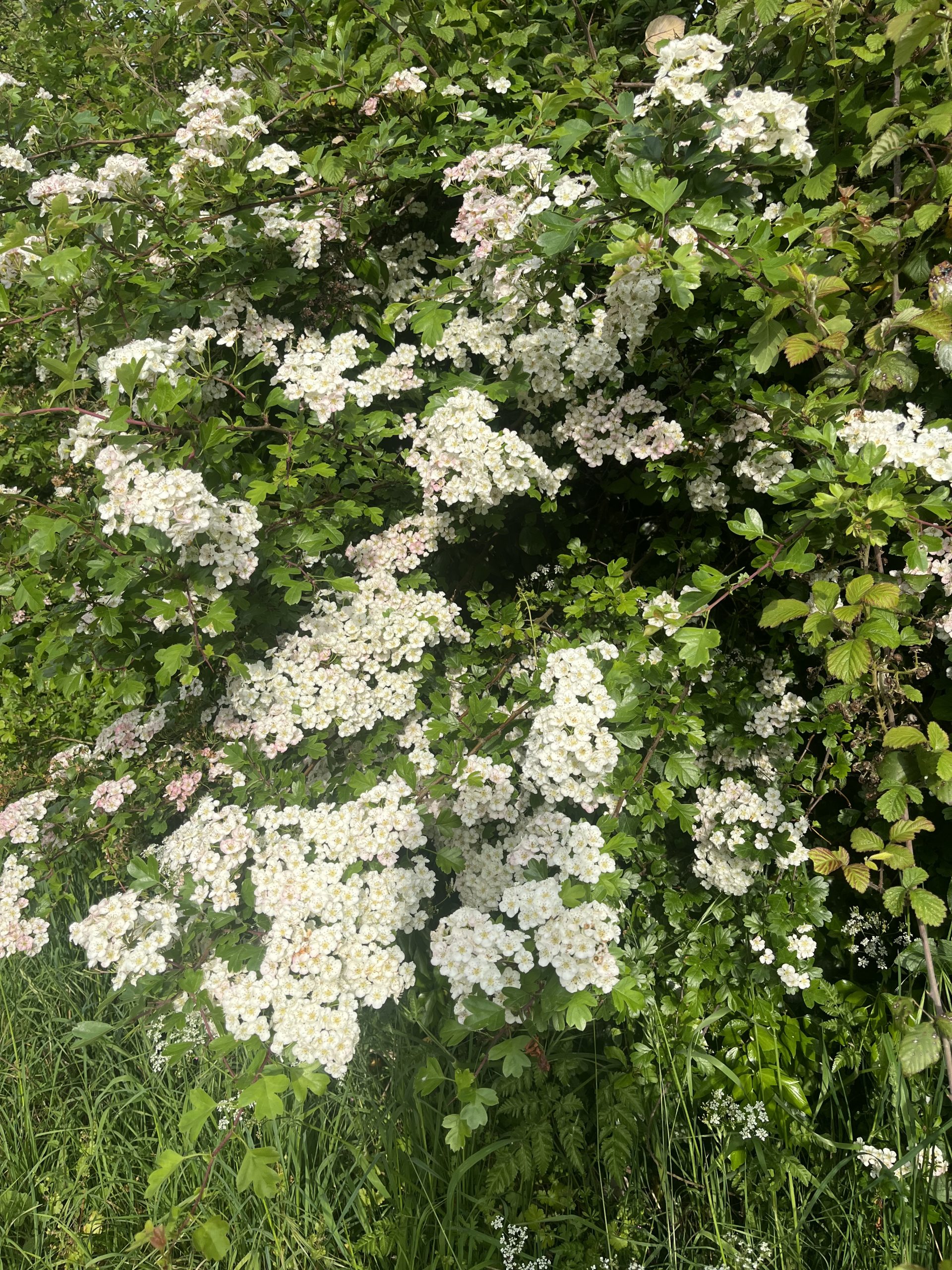
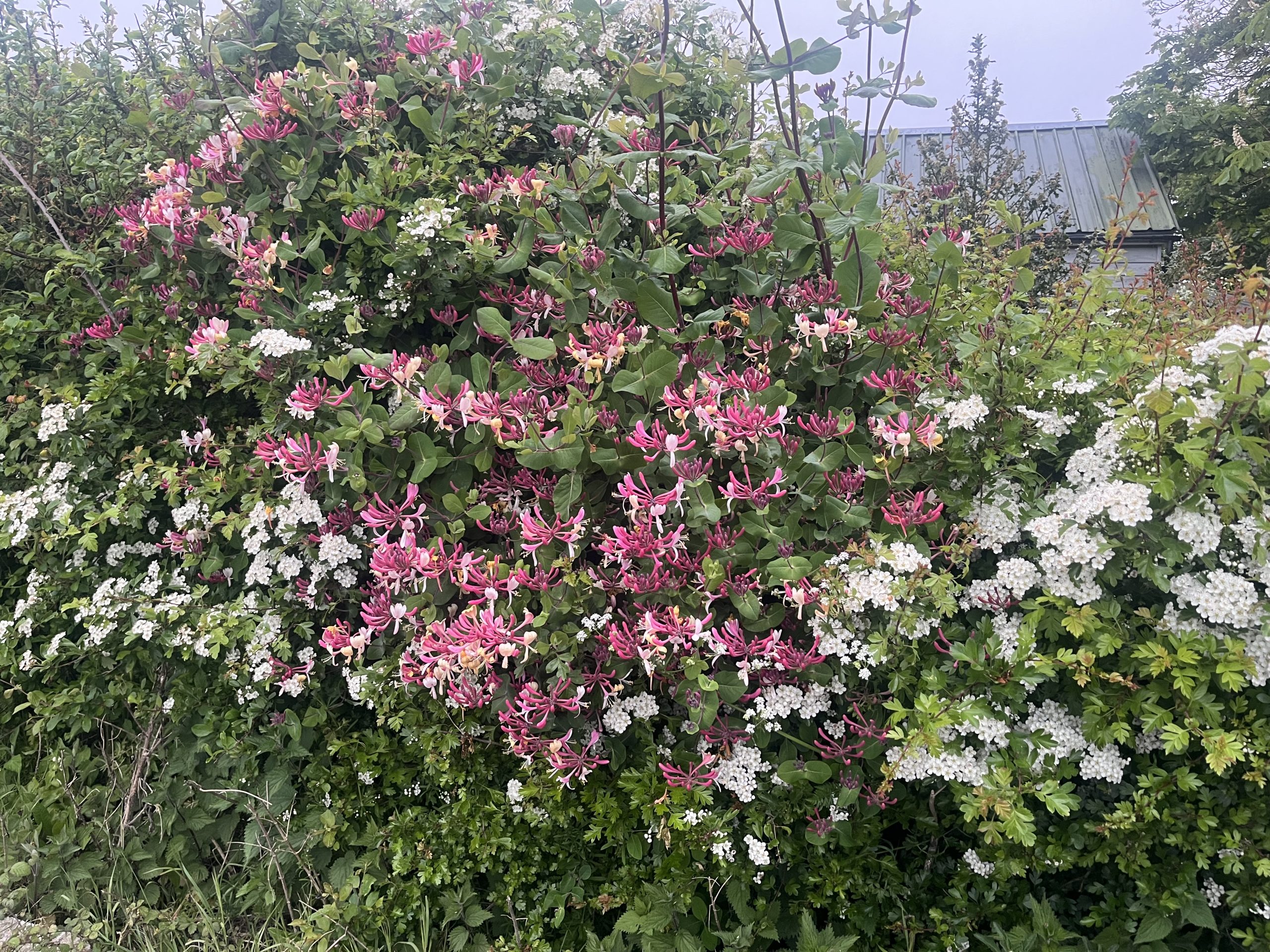
I am glad to see the last of hawthorn blossom with its smell of death, infamous, pungent and sickly-sweet. The odour is caused by trimethylamine—the same chemical compound released by decaying animal tissue. But now we have the heavenly scent of honeysuckle and dogroses.
As a result of the heatwave the garden races ahead. The first baby broad beans have been eaten; the French beans are in flower; good-sized tomatoes have formed on their vines; the first early potatoes already dug.
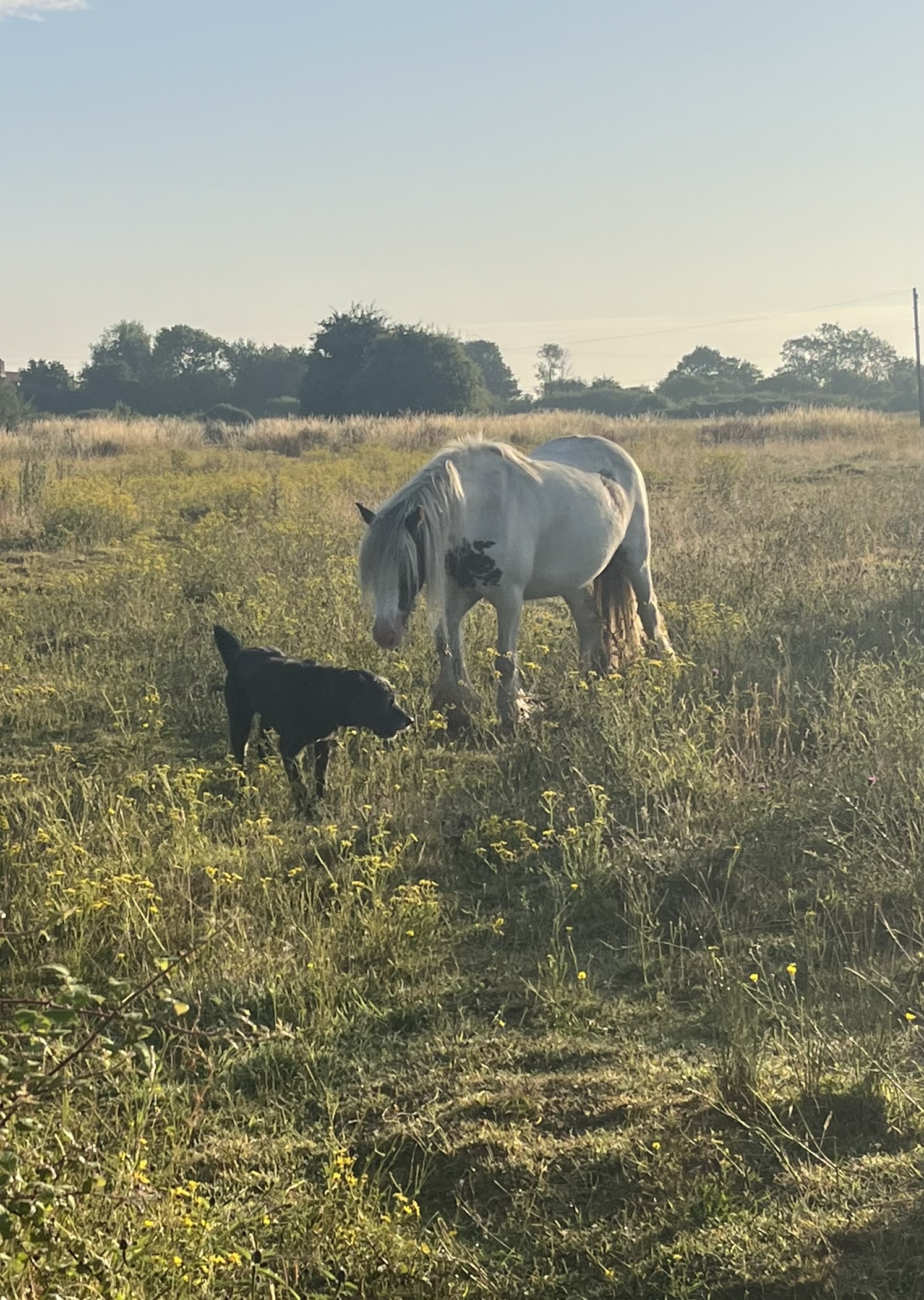
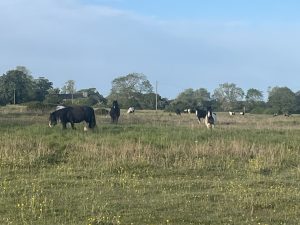
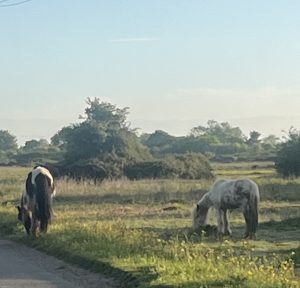
And the spring drought continues. The lush green of spring is already seer and burnt brown in places. If it does not rain soon, and plentifully, the horses, newly turned out onto the Common, will find grass scarce and that the old horse pond, already low in level, cannot supply sufficient water. We wait, we wait for rain, but it passes us by.
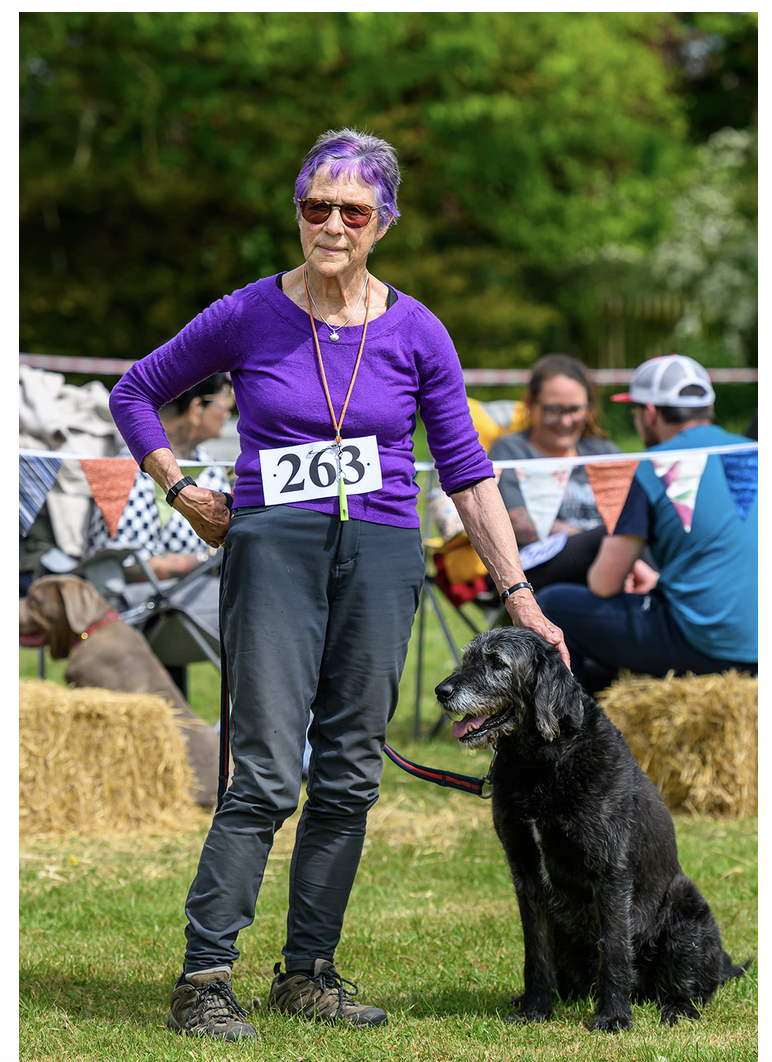
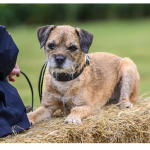
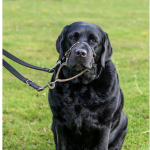
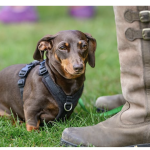
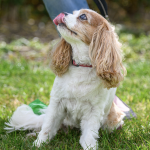
Cratfield Dog Show came and went, for once in good weather. It draws a big crowd, both of ‘proper’ pedigree show dogs, and entrants to the ‘fun’ classes. My own girl relinquished the crown she had worn for a year as Best Cratfield Dog and Reserve Best in Show, but there is now a trophy engraved with her name, and we contented ourselves this year with a couple of rosettes.
The show gives ample opportunity to ruminate on the undeniable fact that some dogs do indeed take after their owners. Science apparently backs this up: dogs actively take on, or mirror, their owners’ personality traits. I know that when gloom overtakes me my dog seems down and low, too. One Dr Iris Schoberl, of the University of Vienna, has declared (from a rather small study) that both owners and dogs influenced each other’s coping mechanisms, with the human partner being more influential than the dog.

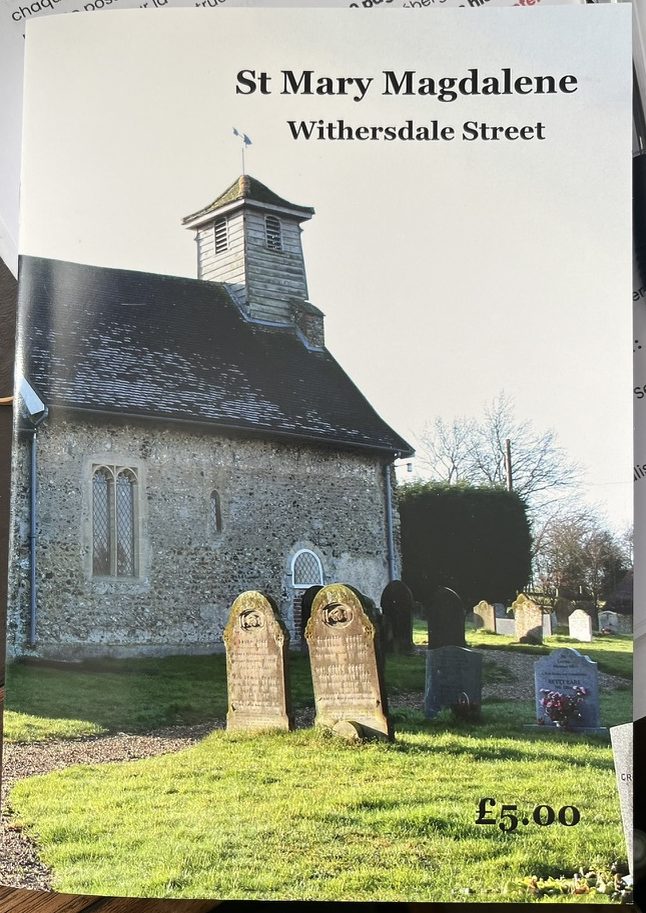 To Withersdale Church mid-month for the launch of a booklet detailing its history and architecture. I acted as midwife during its lengthy gestation (somewhat longer than that of the African elephant…), for I was roped in – gratis – to assist with the editing, layout and formatting of its numerous iterations. And so it was finally christened in the church with fizz and canapés and a goodly crowd who came to hear the author speak. The midwife’s labour found no mention in the booklet (though a case of wine was ample repayment), so I shall have to find some other claim to fame before I die.
Who knows but this may come from an unexpected source…I gather from the minutes of some august committee of the Roman Catholic Diocese of East Anglia that this blog is read! I hope they enjoy it.