At a time of huge international and domestic trepidation, during a war – two wars – not of our making, while bombs rain down on schoolchildren, we are all fearing the effects on our individual purses as well as on the economy of our country and the world. But my own domestic economy (in the sense of oikonomia, the management of my household) also suffered a trauma last week.
My six hens, valiant layers, disappeared all in one night into the maw of Renard the Fox. He possibly had the assistance of Renarda as well, because it’s quite some task to carry or drag six birds back to wherever their earth is. It’s hard to describe the shock of going up the garden to feed them in their run, and discovering…silence, absence, nothing but a few feathers blowing sadly in the breeze. In the chicken shed signs of the mayhem there must have been with six panicking birds trying in vain to escape.
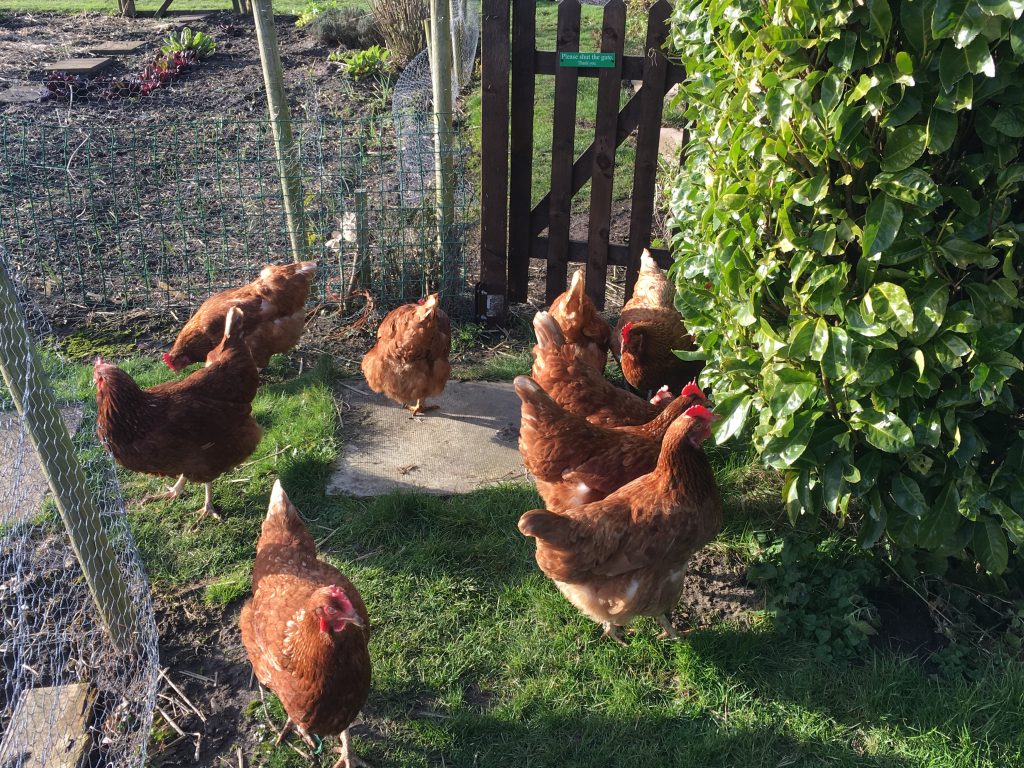
It’s not that I was fond of them. 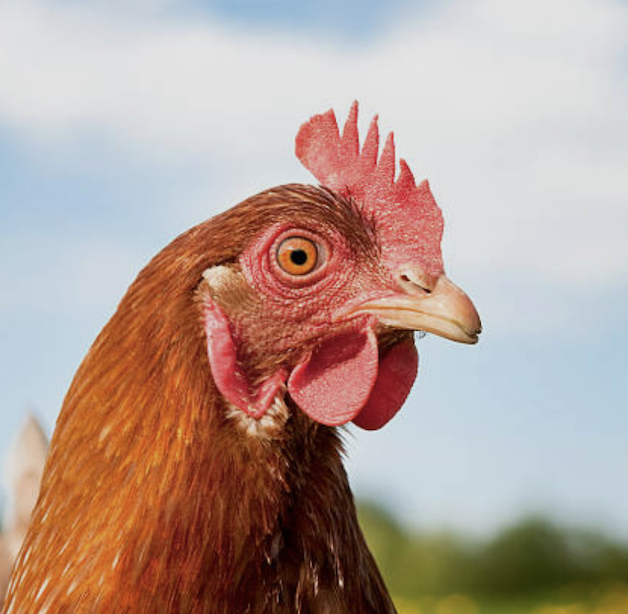 These were not pets; they were vicious little dinosaurs, biting the hand that fed them, administering sharp pecks if food was not instantly forthcoming , and sometimes if it was. A little stale bread could provoke a feeding frenzy as aggressive and competitive as any shoal of piranhas. They were, however, my responsibility, part of my domestic order, and I had allowed them to become vulnerable and ultimately prey. They contributed to a truly sustainable system: eggs were sold at the gate; chicken feed was bought; their straw bedding impregnated with droppings fertilised my vegetable garden and enriched the soil, thus maximising production.
I thought they were secure. Over the years I, and latterly with help, had made the shed and the run into a galline fortress. After previous fox incidents, years back when I allowed my hens to range free, I vowed never to let them loose again, so they lived in a large run, content to scratch around in farmyard straw, fed greens, chickweed and fat hen to make the egg yolks a deep orange.
So how? A small area of rotting wood at the base of the shed had been spotted by the cunning one, and quietly enlarged that night into a hole wide enough to insinuate himself and extract the birds. They probably died of shock before the jaws clamped down.
I mourn their disappearance, and my own carelessness. In the immediate aftermath of their loss I determined “Never again. I’m done with chickens.” But my daughter, who knows more of international threats than one might wish, reminded me of the need for food security, so maybe…when the shed is once more secure…I’ll get a couple of young birds.
When I first started keeping hens, 20 or so years ago, I foolishly gave them names which
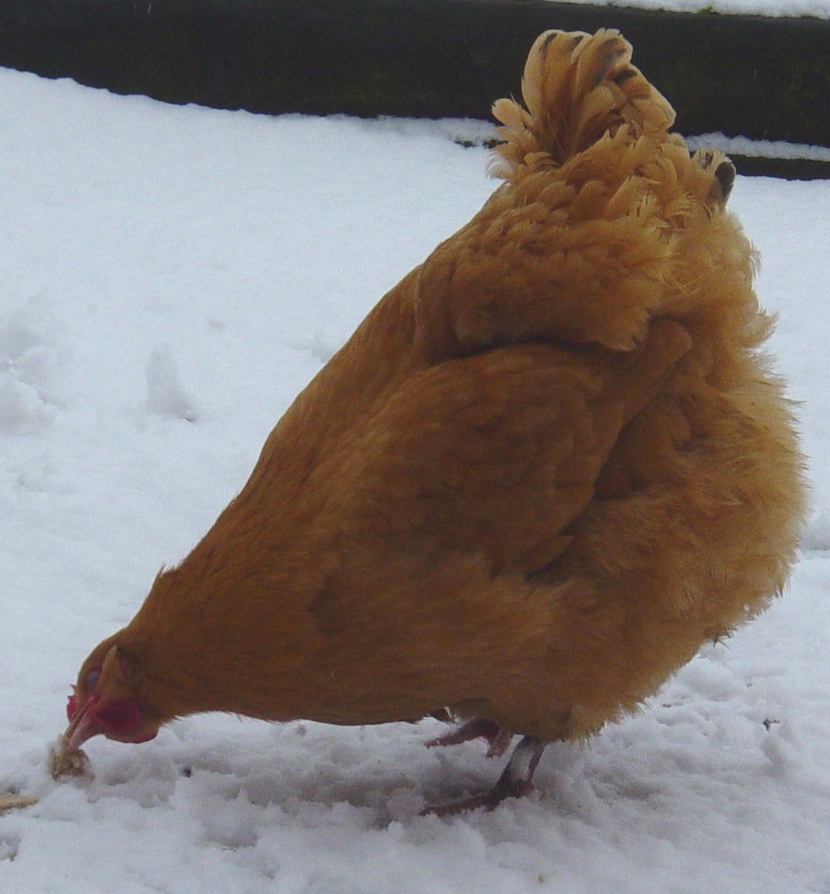
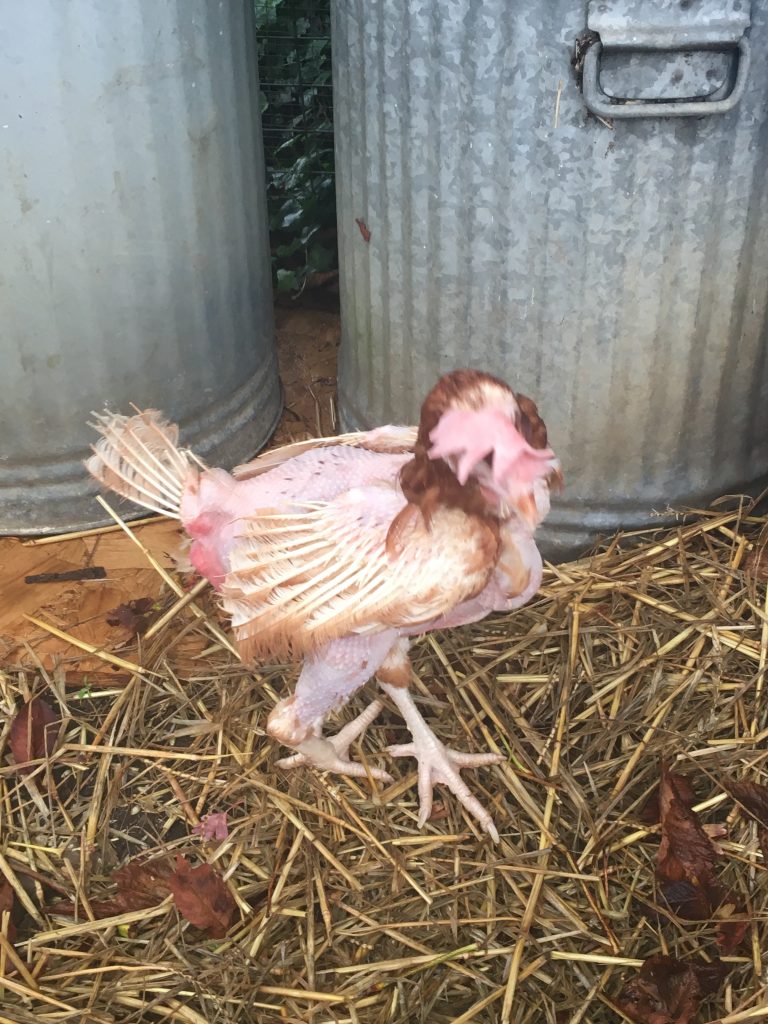
anthropomorphised them: Bertha the big Buff Orpington, perpetually broody; Sister Dominica, black and white and bossy; Prudence, shy and of beautiful iridescent plumage. The next bunch were rescue ex-battery chickens, which arrived timid and featherless. What a difference two or three months of freedom made to them. Thereafter, always bog basic brown layers; no more of this middle-class-I-live-in-the-country sentimentality.
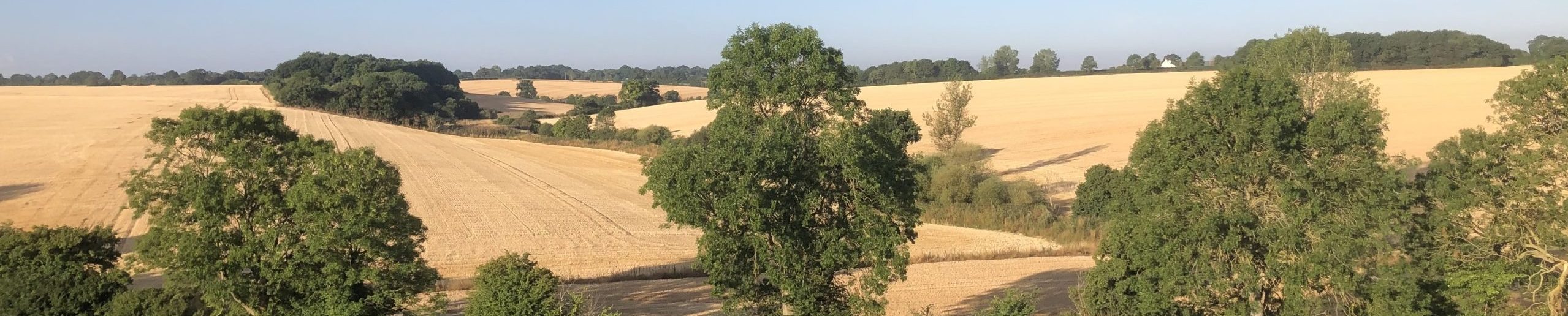
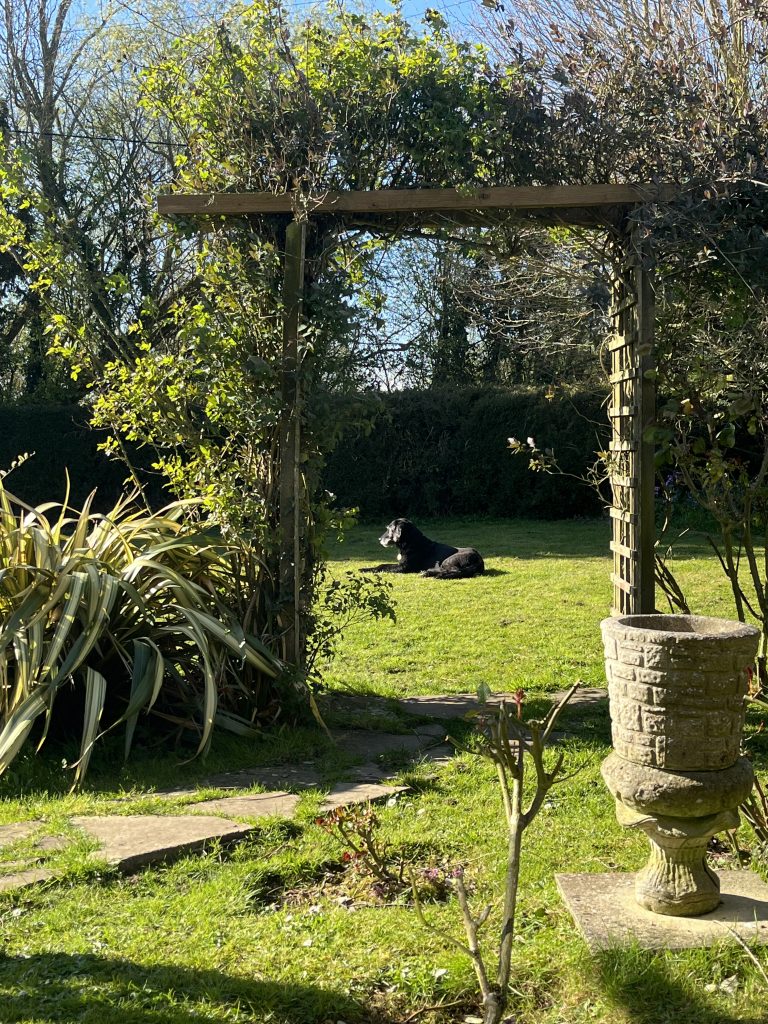
I write this at the end of a dazzling month. Not a warm one, but with a sun radiant and burning from a sapphire sky, while we shiver in a fierce north-easterly gale which abates sufficiently at night to leave the ground sparkling and white with late frost. For high pressure dominates, and the East Anglian spring drought has driven the eternal wet of winter out of our minds. The earth is dry and deeply cracked; dust blows off the fields; the garden with its new seedbeds is to be watered constantly.
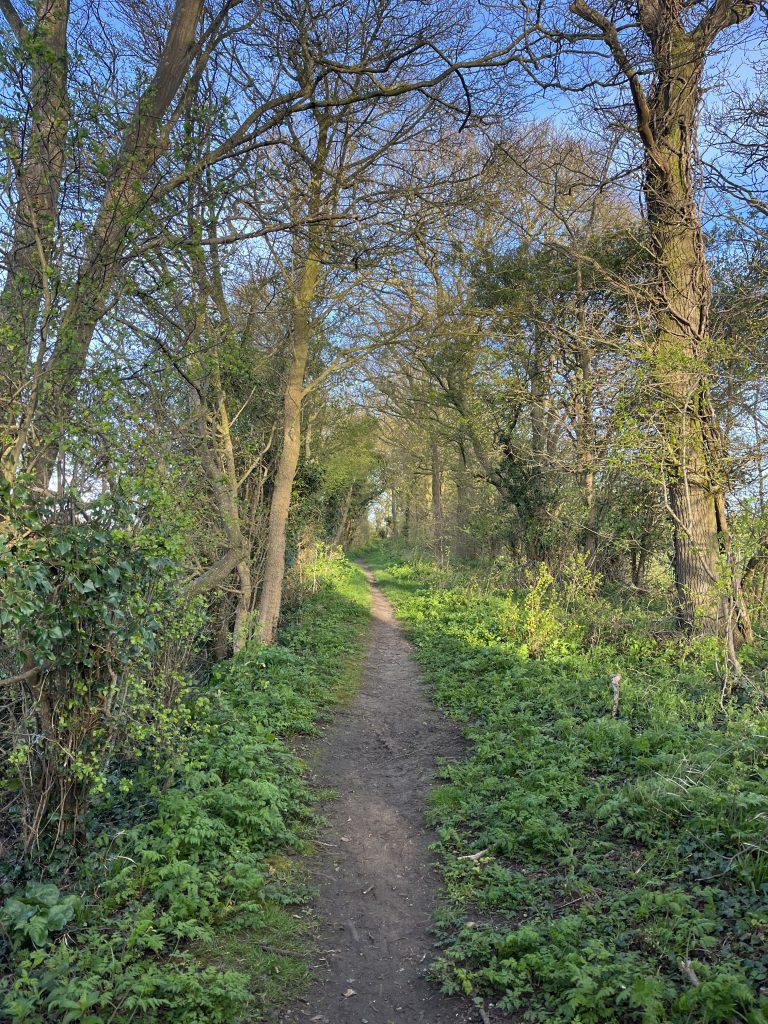
And in this month a great tide of green has swept over the land and engulfed us. Trees trembled with incipient green; woods were pregnant with green; buds were bursting with green; grass drowns us with green; wild garlic is scented with green; seedlings are shy with green; the emerald of young wheat is rippling with green.
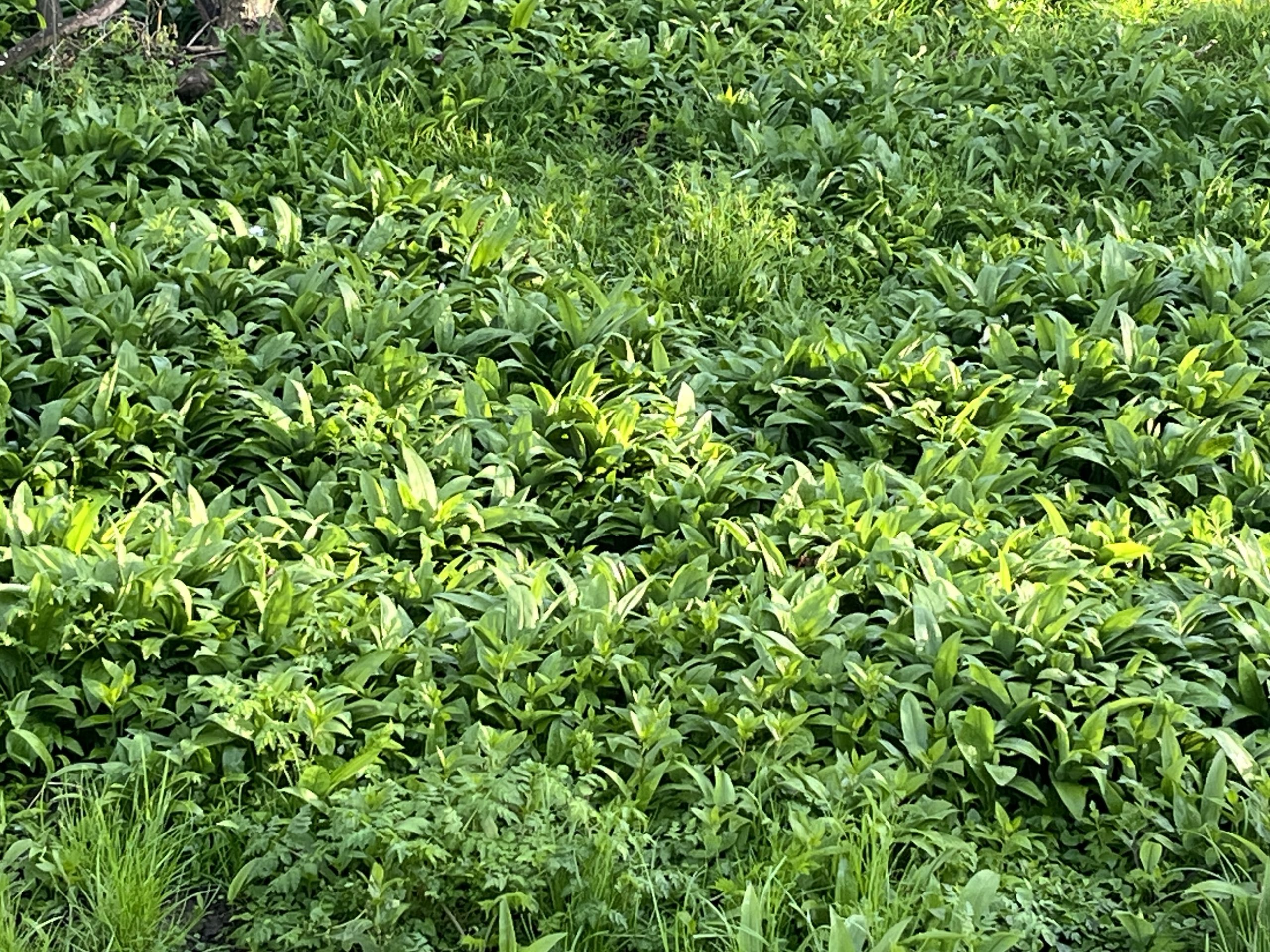
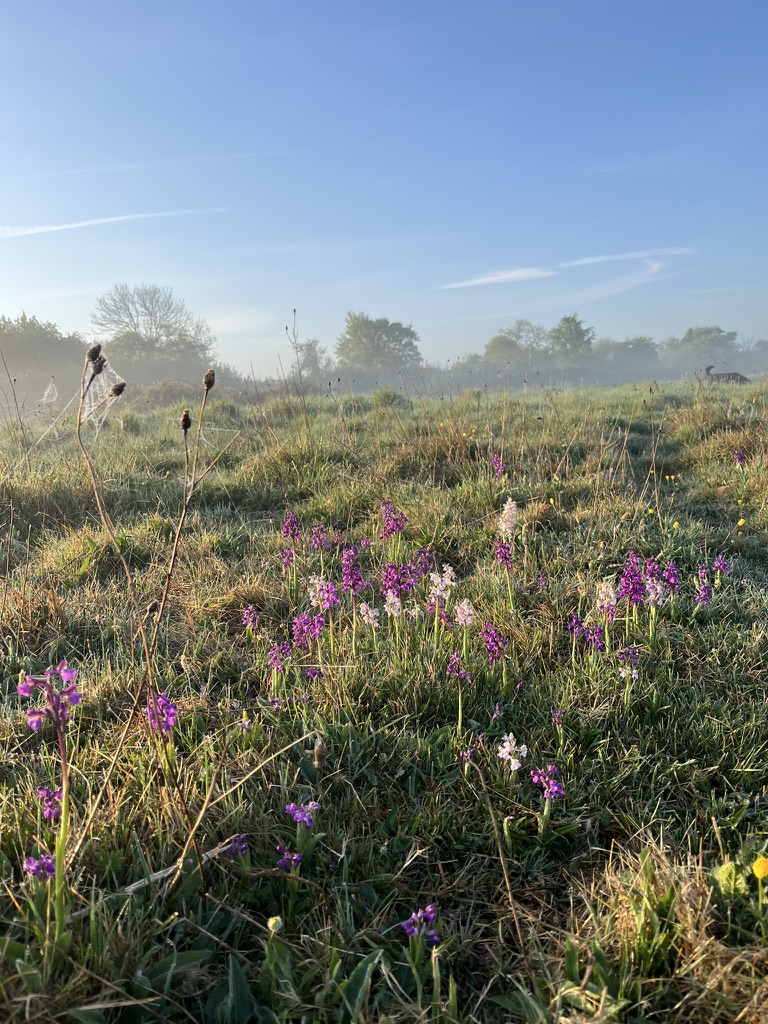
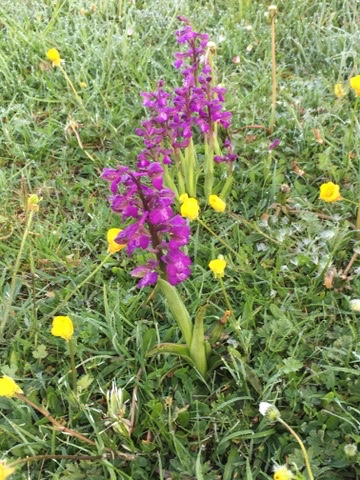
A thousand thousand shades and tints of green which no palette could ever capture. And between the green of land and the blue of sky are interjected gashes of the acid yellow of rape. The bridal blossom of the blackthorn has gone, but everywhere wild apple and plum and hawthorn are in flower. On the Common the magenta of the orchids vies with golden expanses of buttercups.
This exuberance of nature, the beauty of this spring, is in counterpoint to what is happening on the world stage. War in Ukraine grinds on. We look on helpless at the mess of the Middle East, where missiles rain down, plunged into conflict by madmen with seemingly little thought of the future. The whole world will suffer for it in the long term, and – as for the energy crisis – we ain’t seen nothin’ yet. We grumble about the cost of petrol and heating oil, but the full effect has yet to hit us.
In a minor way I have become a ‘prepper’. Now we are being told to keep a supply of bottled water, tinned food, a torch and wind-up radio, and many countries have issued leaflets with official advice on how to cope with no electricity. Ever since we feared the consequences of the ‘No-Deal Brexit’ at the end of the last decade I have kept a box of basic food stuffs. This then morphed into a ‘Lockdown Box’ during the pandemic (and another one of those may come our way all too soon). Now it has become a ‘What-If-The National -Grid- Goes-Down’ Box.
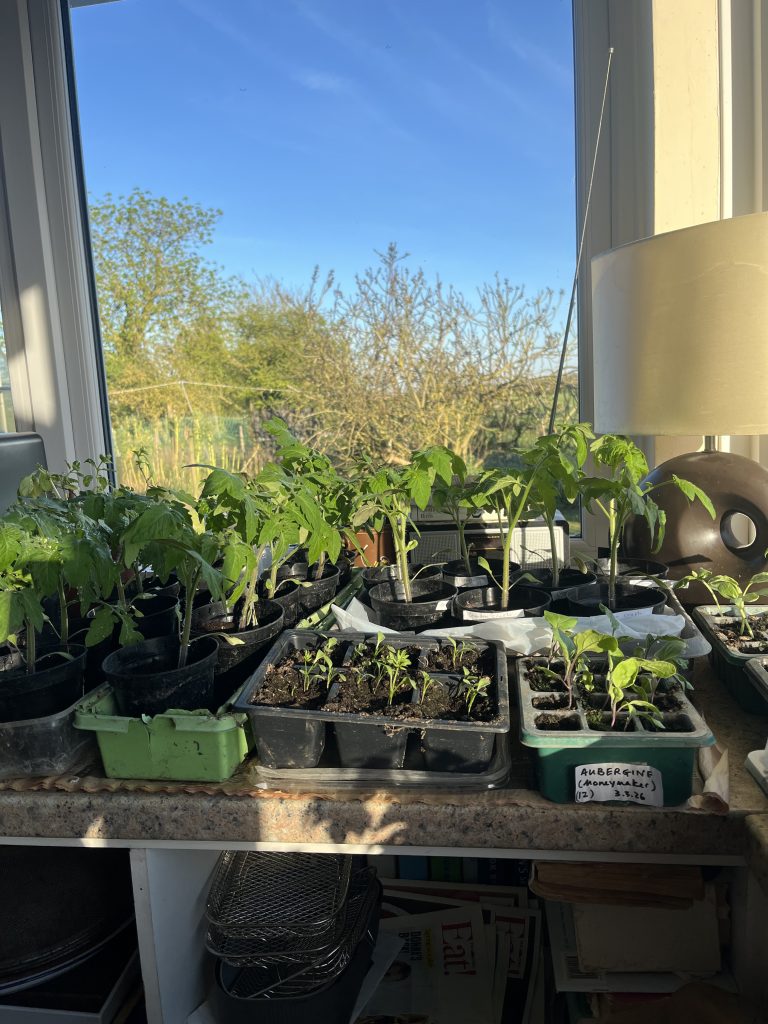
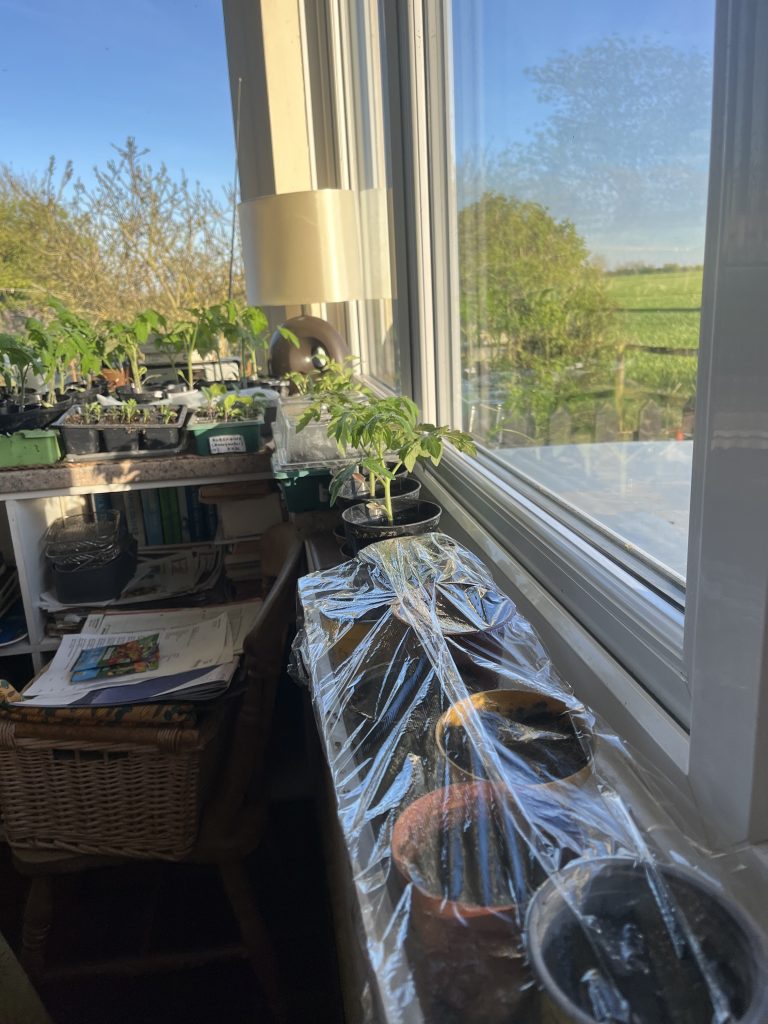
One measure that I take for food security, which also springs from other environmental principles, and which at the same time gives me pleasure, is growing my own vegetables, and spring sees the most intense efforts in the garden. In April my windowsills and greenhouse accommodate pots, trays, modules of seedlings and plantlets, which now cry out to be transferred outside. But I dare not: there are still frosts and the wind is Siberian.
Of maybe more immediate concern than potential cyber attacks on our national infrastructure here are the roads. On the bright side, imminent local council elections have at least seen a huge effort at filling in the deep and jagged holes in the road which cause expensive damage to a car if you hit one at speed. Locally we contend with the seven-month closure of a vital ‘B’ road linking outlying villages to the nearby market town. Seven months! Offical diversions will take you a circuitous 20 miles, so those who know use the tiny one-track lanes. This necessitates much bad-tempered to-ing and fro-ing and giving way and backing round blind corners – ceding not to those who have the right of way according to the Highway Code (oh no indeed) but to those who have larger, heavier, superior – and so often shiny – vehicles.
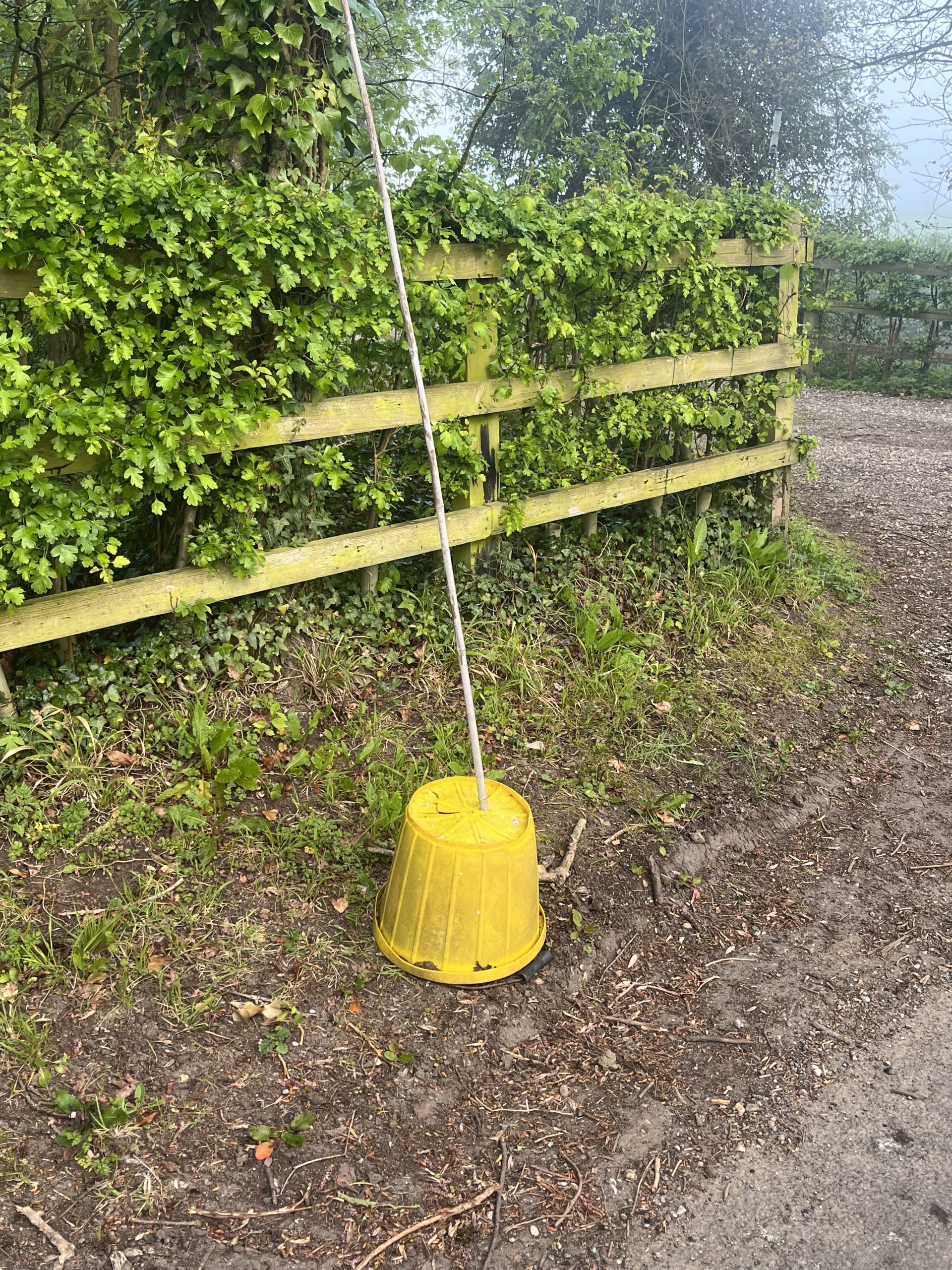
Before the current dry spell, the verges of these tiny lanes were churned to deep mud by the wheels of those attempting to squeeze past. Those having the misfortune to live along these ways often take somewhat idiosyncratic measures to prevent this…
And so we continue. Tomorrow is May Day. Another month has passed.
I so enjoyed this lovely blog, especially the chickens.