October

Golden October

The Common is strangely empty; it seems larger without the mares and foals which were taken away mid-month, not to return till May. Now the only life I see is barn owls, buzzards, and colonies of rabbits. The pond is at the lowest level I have seen, save in very dry summers. The garden now is similarly bare – vegetables are harvested. I clear and dig, clear and dig.
Reader, forgive a rant: I begin where I ended last month: the reliance on an internet connection and the impotence, fury and frustration engendered when this means of communication is cut off. This is 2017, and broadband is no longer a luxury or a novelty; it is the fuel that powers work, relationships, leisure. Without it there is isolation. For three weeks in a total of six I have been disconnected from a large part of my world. British Telecom has fobbed me off with lies, excuses, promises and missed appointments. The “executive level” case handler said “If it’s on today that’s all we can ever hope for.” So much for the term “service provider!”
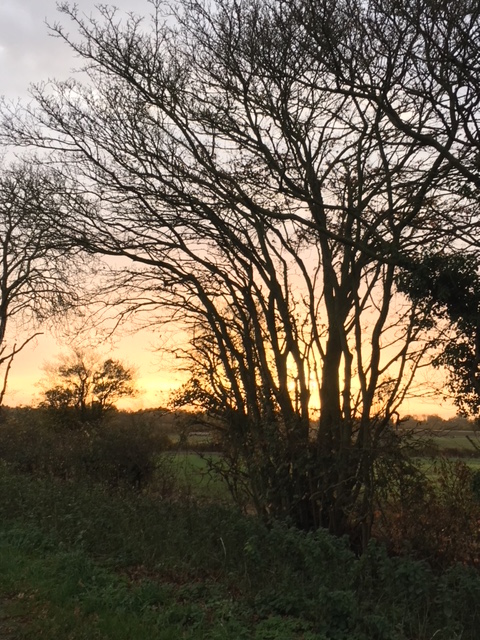
Night is already falling as I write this at 4.30pm; the clocks have been put back an hour, and we are now on a winter timetable. This darkness also insulates and isolates from the outside world. It is easy to understand why alcoholism is more prevalent in the countries of the north where winter daylight lasts only a few hours. In my early twenties I went straight from my first year of living in the brilliance of a southern French sun to a winter in Glasgow where it seemed never to get light, and where the cold seeped into my soul. Shillings were saved to feed the gas meter, and I stayed in bed to keep warm. I have found the dark of the year difficult ever since.


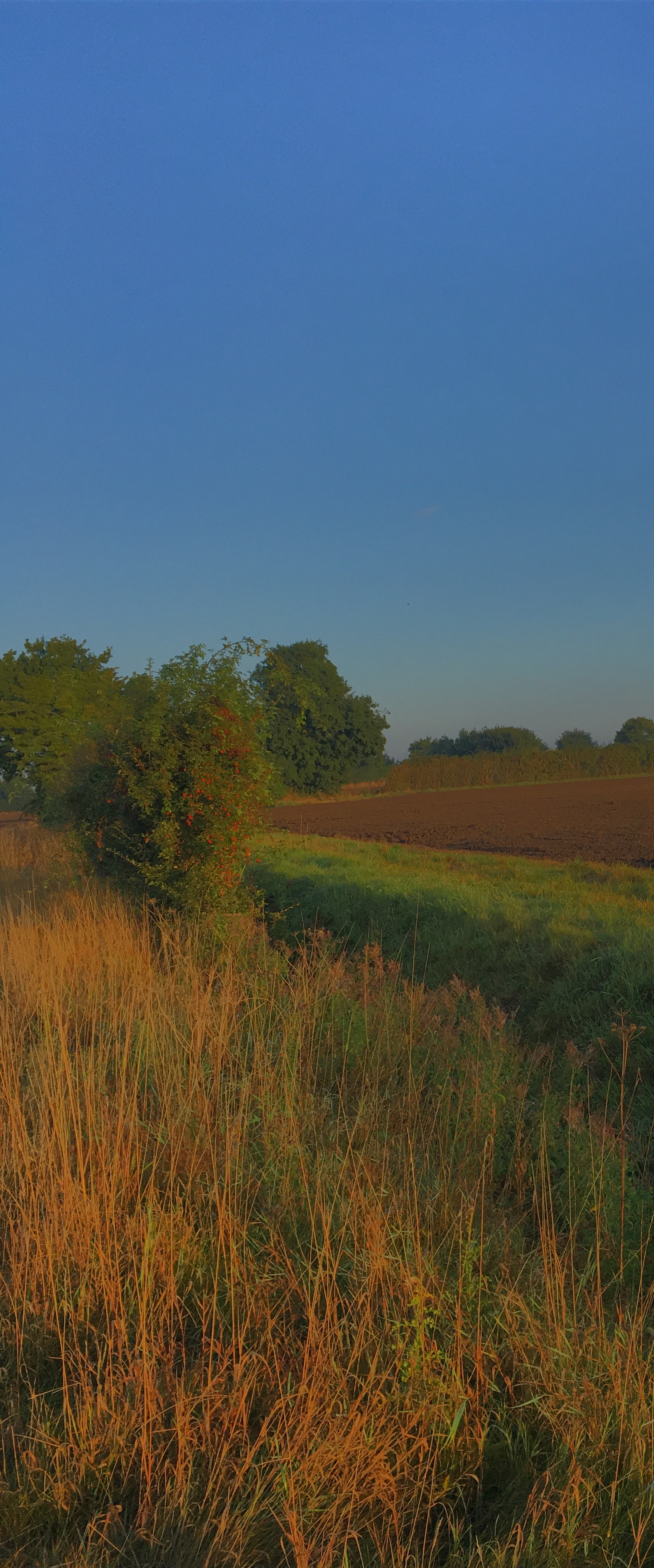
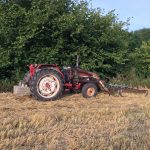
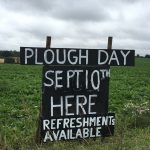
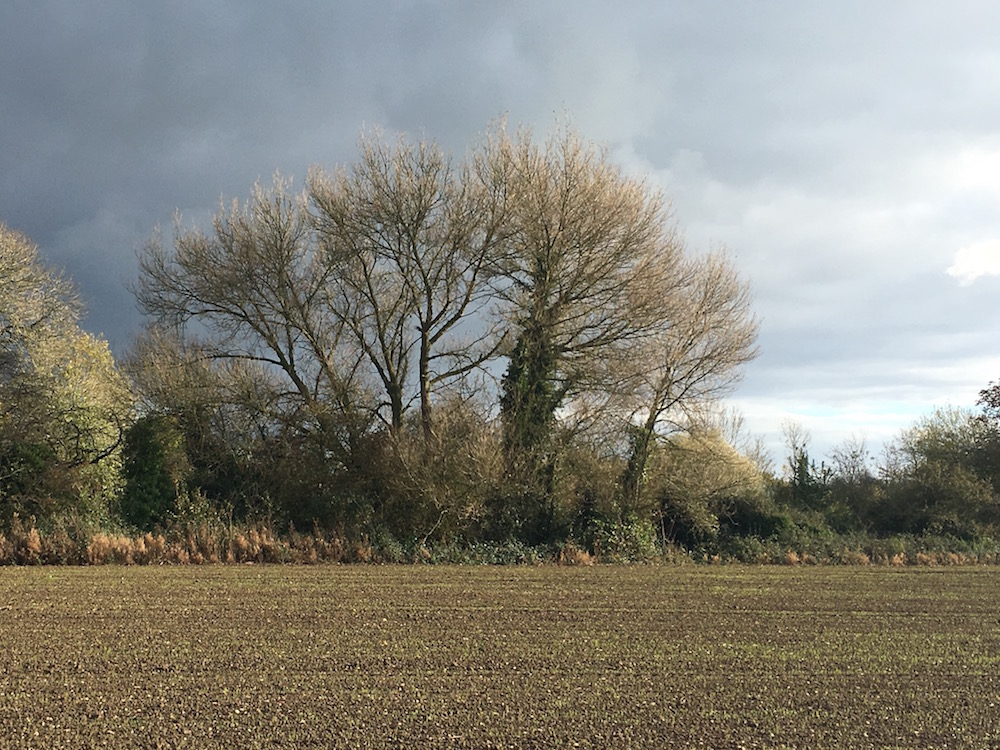
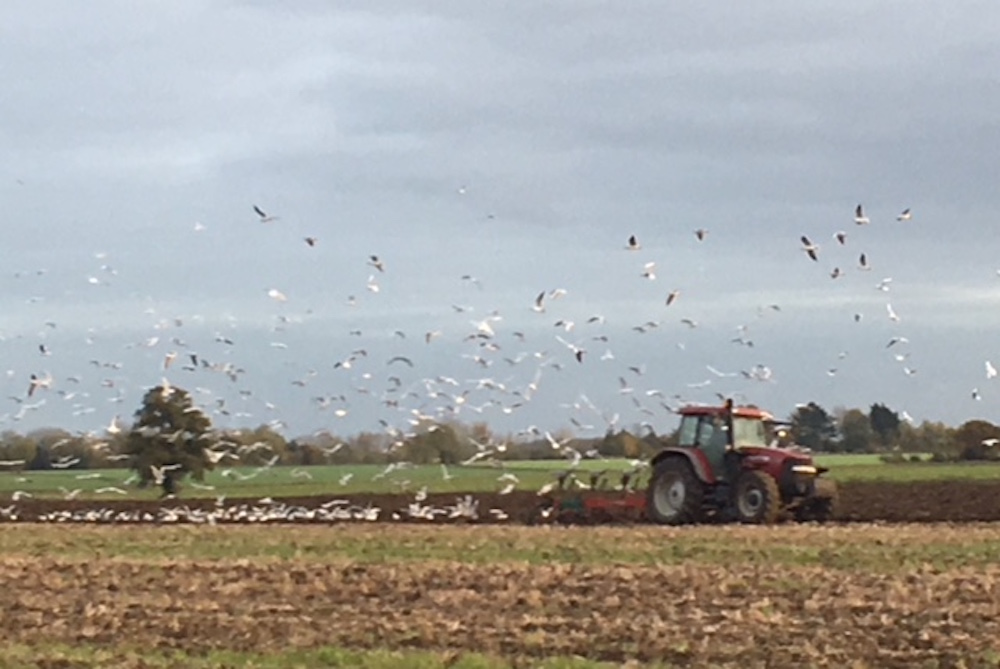
But the beauty of autumn brings compensations. Yesterday saw the first crisp chill and a touch of frost. Where the lane was lined with straw in August and caked in muck last month, now leaves drift down in a thick carpet, eddying as the breeze lifts them. The last fields are being ploughed, including “mine” – the vast expanse over which I look from my kitchen. The tractor works to and fro all day, followed by a white wake of squabbling gulls which swirl and settle after it. The light strikes the deep ridges and furrows, surrounding me with a dark rolling sea whose waves lap the edges of my garden.
 

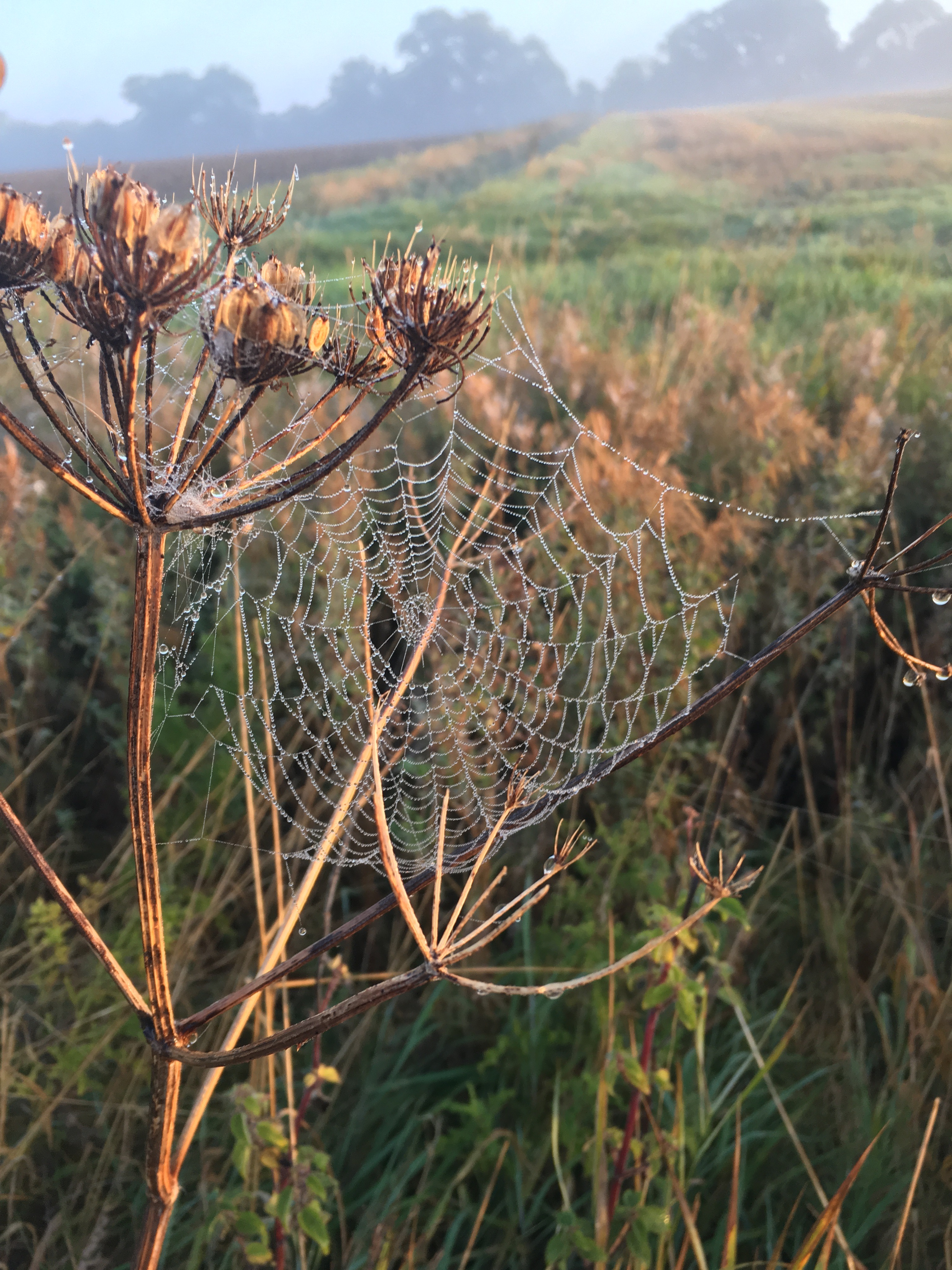
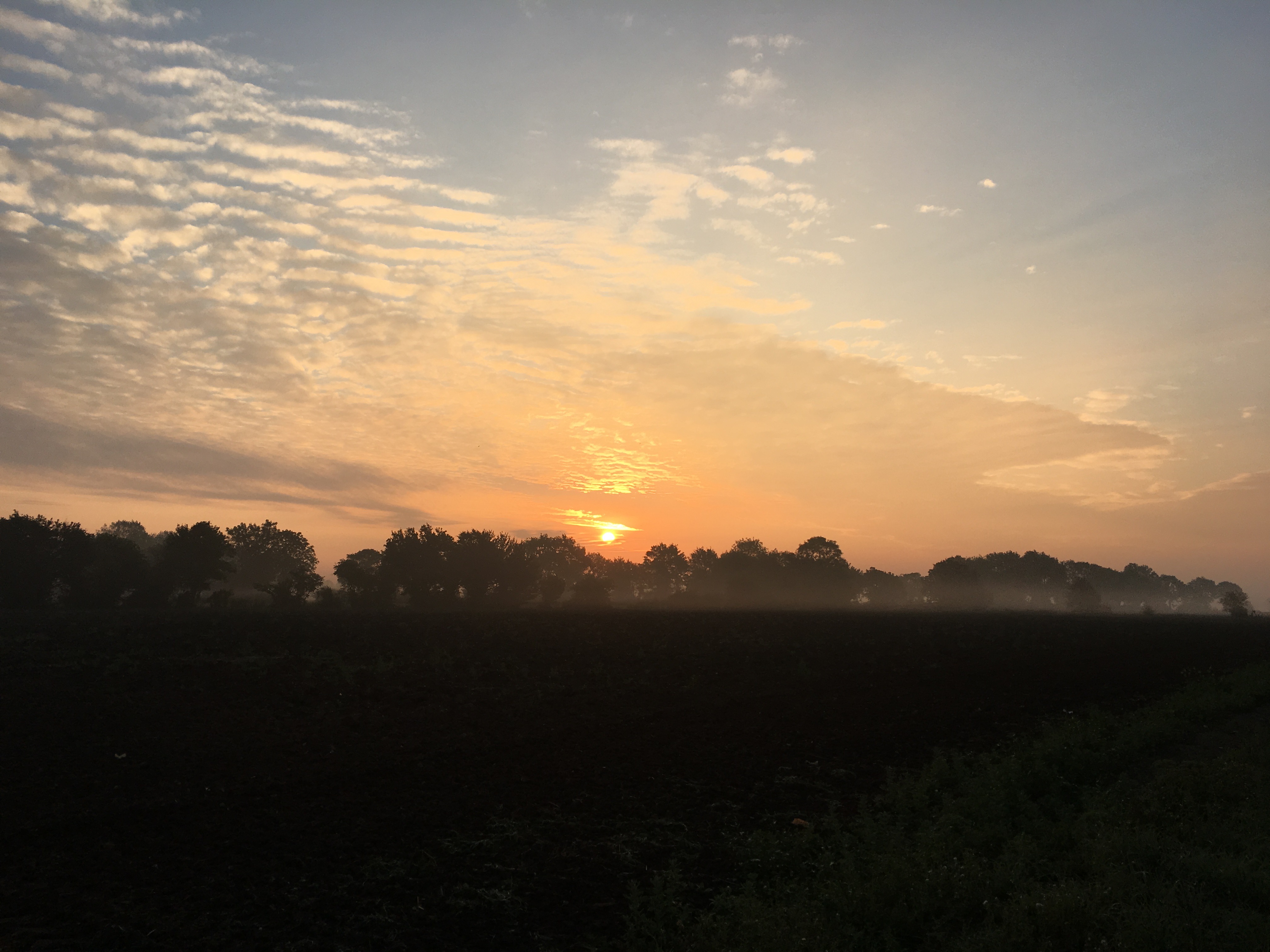
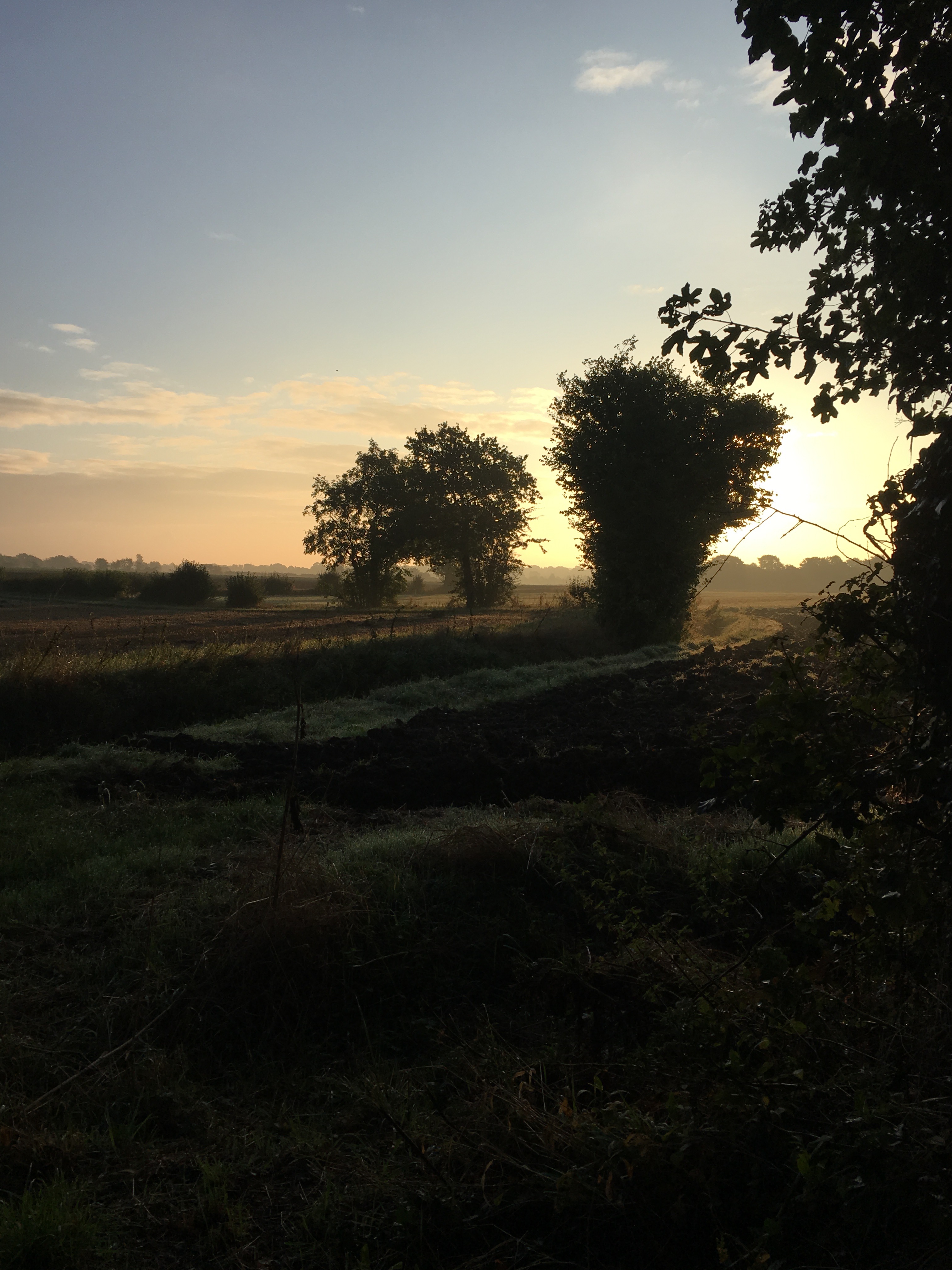
Our morning walks start in torchlight, and end in sunlight. The dog rolls in deep grass wet with dew, grunting in ecstasy as she does.

Dawn

Despite the dryness of this year there are many mushrooms under foot. As a child I would go out with my father to collect horse mushrooms to eat with bacon for breakfast  (“mushers” he called them – was this the language of the Black Country, where his own mother grew up?). I too used to pick mushrooms, but I have been wary for a while now. Years ago when I worked on a local newspaper I was a stringer for the Sunday Express. I sold them a story about a Norfolk woman who had gone to pick mushrooms and came back with a good basketful. Her husband told her not to eat them, but she cooked them and ate all the same. They were Death Caps, and she was rushed to intensive care in London at death’s door.
I can’t now remember whether she lived or died, but the Express take on it was – this is what happens if you disobey your husband. But that was 35 years ago…

The weather has been far from “normal.” The year has been the driest I can remember – winter, spring, summer, autumn with little rain. Mid-month the temperatures rose, and it was shirt-sleeve order. My guests and I ate Sunday lunch outside. Then came Storm Ophelia which battered our western regions, but which here produced what some said were “apocalyptic” phenomena. On a fine if breezy afternoon I suddenly looked up and saw the still-high sun was blood red.

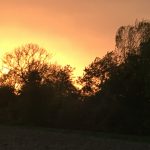
Then the sky darkened as though the sun were eclipsed, and then all turned an eerie yellow-orange. Although I knew it must be Saharan dust blown ahead of the storm nonetheless atavistic fears rose within me. Hard not to see it as an omen presaging some disaster.
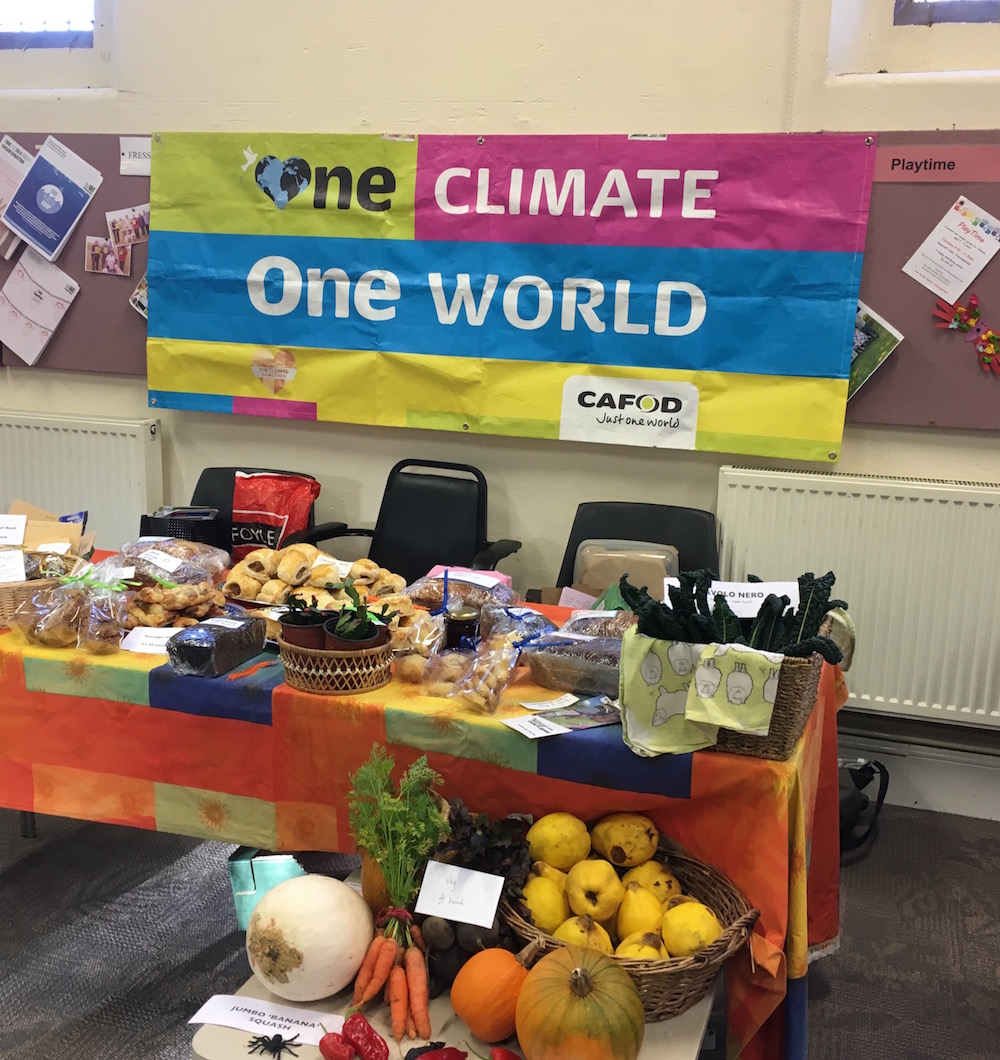
Concern for our planet, for neighbours near and far, for the world we are wishing on our children and grandchildren has prompted two friends and me to work for CAFOD, the Catholic Fund for Overseas Development. This organization leads in trying to implement the care for the environment (“our common home”) urged by Pope Francis in his encyclical Laudato Si’. We hold a stall at a monthly local produce market, selling cakes, biscuits, scones, sausage rolls, garden produce, plants and seeds as a small contribution to further this work.


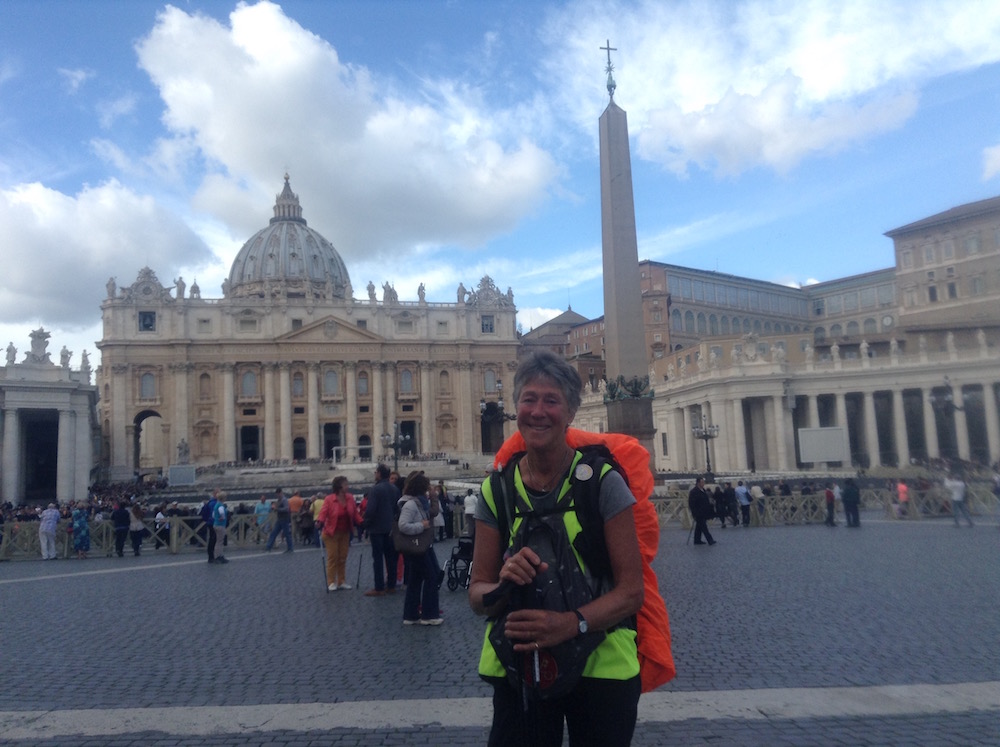
A year ago, on 21 October 2016, I arrived in Rome after a 2000km pilgrimage on foot from Canterbury. This is not as unusual an achievement as it may sound, but for me it was a great adventure – throwing myself on the kindness of strangers and the mercy of God. It was my fifth walking pilgrimage, and since retirement I have tramped through France, Spain, Switzerland and Italy. I know now that without these minor adventures into the unknown, and without plans and possibilities of such, something in me feels trapped and only half alive. I tell myself that the journey into old age must be my adventure now…


This October entry in my online journal makes for rather melancholy reading, reflecting the dying of the year, and now we begin November, the month of the dead.

A note to the new reader: to understand where I am coming from, in both senses, read the static information pages in the sidebar to the left: Introduction – The Common – The Garden.
September 2017

A note to the new reader: to understand where I am coming from, in both senses, first read the static information pages in the sidebar to the left: Introduction – The Common – The Garden.
No golden Indian summer, but equinoctial gales, and a chill mid month.

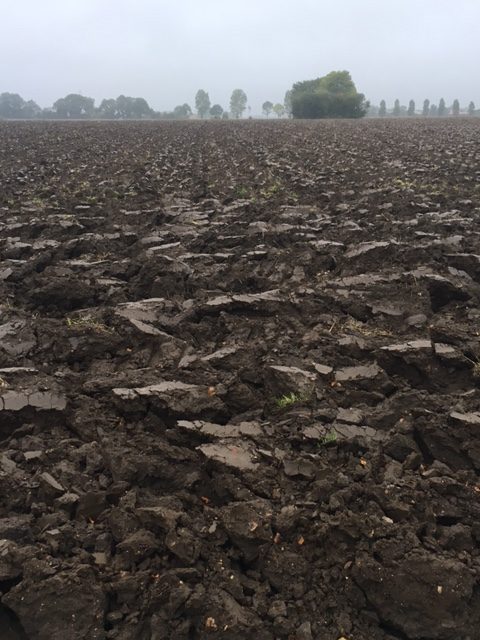
Where last month the lanes were lined with straw, now they are caked in muck. By muck I mean the straw on which animals (mostly pigs) have been bedded. It has the look and consistency – though not the smell – of rich fruit cake. My neighbour Joe’s ancient and rickety tractor and trailer sway and bump along the road, depositing gobbets and clumps of the stuff all the way.

Our morning walks now start in near darkness, and I stumble – and the young dog gallops, chasing hares – across ploughed land. By law farmers are required to reinstate a footpath (public right of way) within 48 hours of ploughing, and then again after drilling. Of course they don’t – why should they? They don’t want people on their land. But plough is almost impossible to walk on, so I take long deviations round the headlands. Few farmers leave enough uncultivated land round the edge of a field either for wildlife – or for a walker.

My harvest continues, but I am up against tough opposition. I returned from a week away to find that rats had eaten all my sweetcorn cobs. Now they are busy climbing up onto the bird feeders for the peanuts and the fatballs.

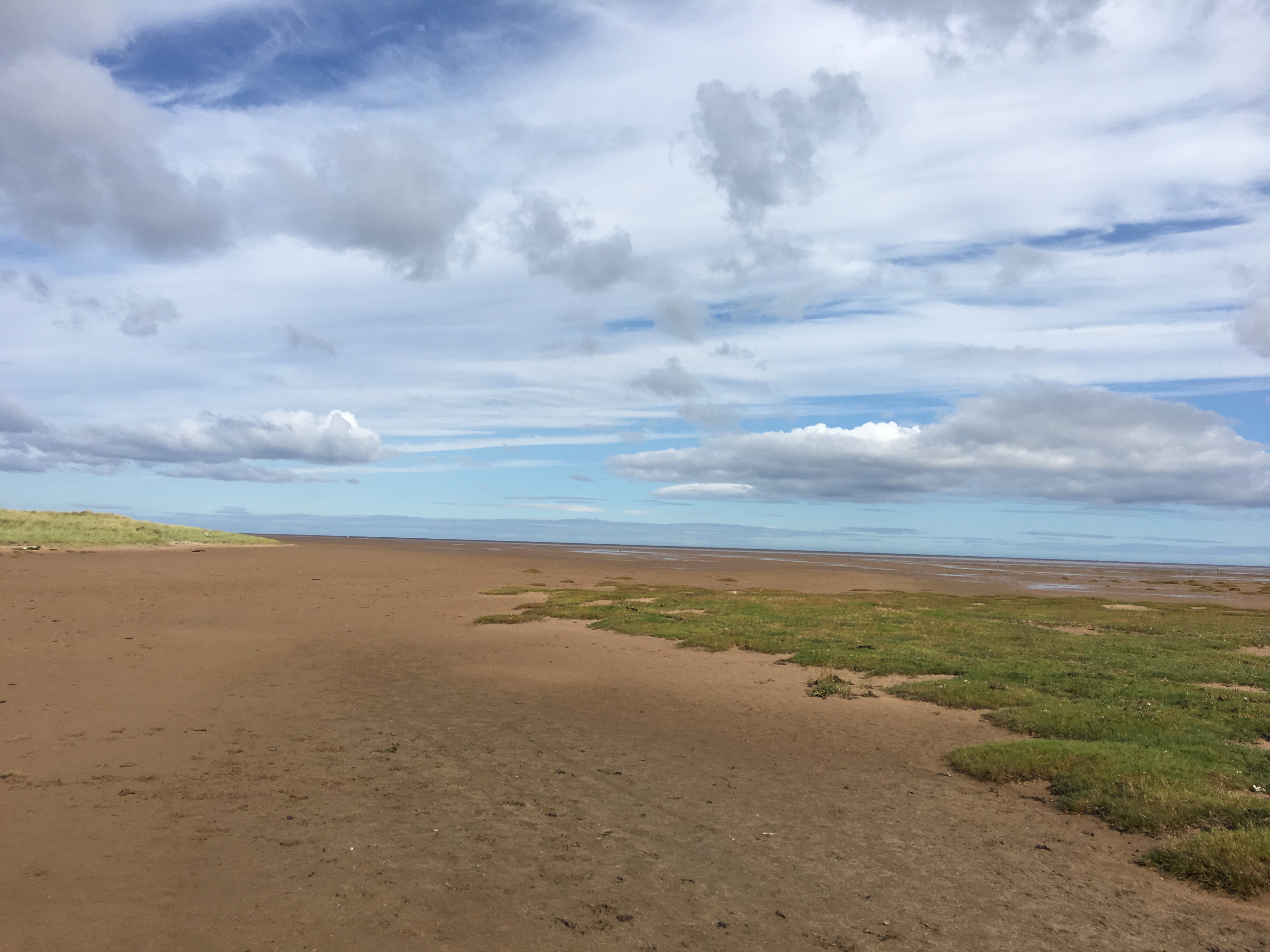
The holiday! The dog and I went to Northumberland, and I was blown away, not just by the gales, but by the beauty and vastness of the beaches. She and I walked for miles along coastal paths, across dunes and shining sand. Our walks were sometimes solitary, but to her joy there were often dog walkers. She met more dogs on the beach on our first walk than she had seen in her entire nine months, and frolicked and cavorted and raced and chased, splashed and rolled. We had fun.


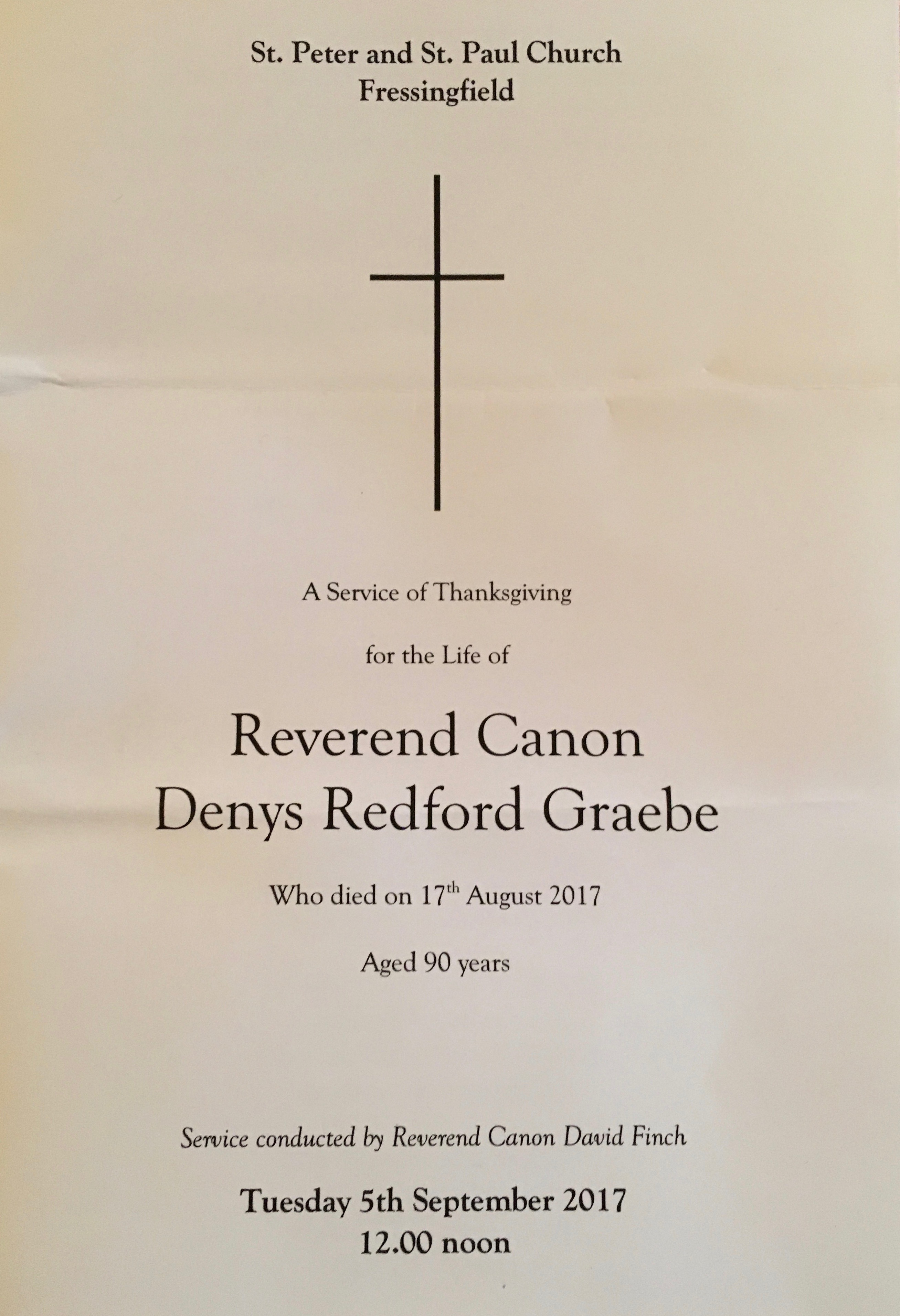
Another month another funeral. They are frequent. This time it was a 90-year-old Canon of St Albans Cathedral who had retired to nearby Fressingfield.

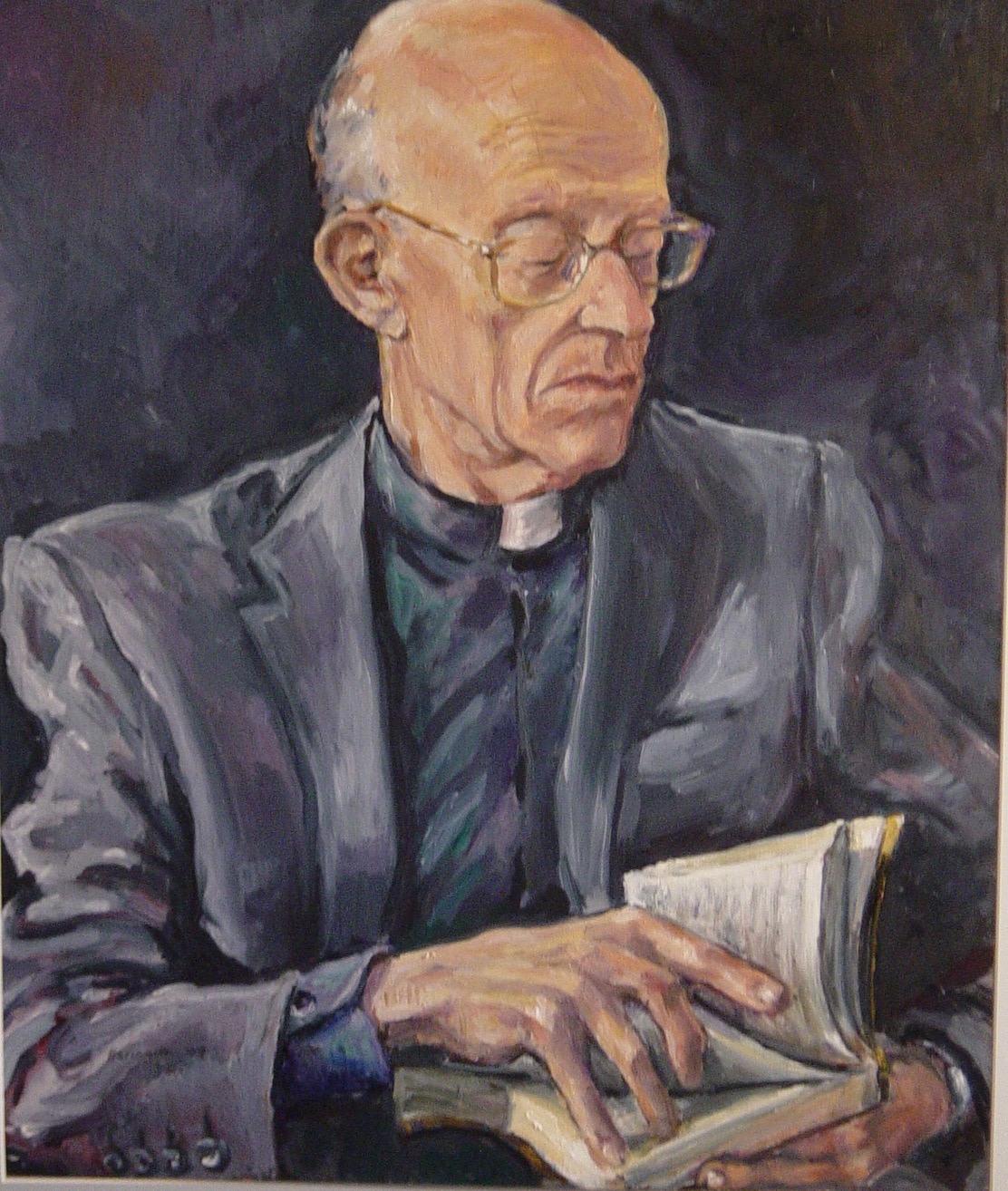
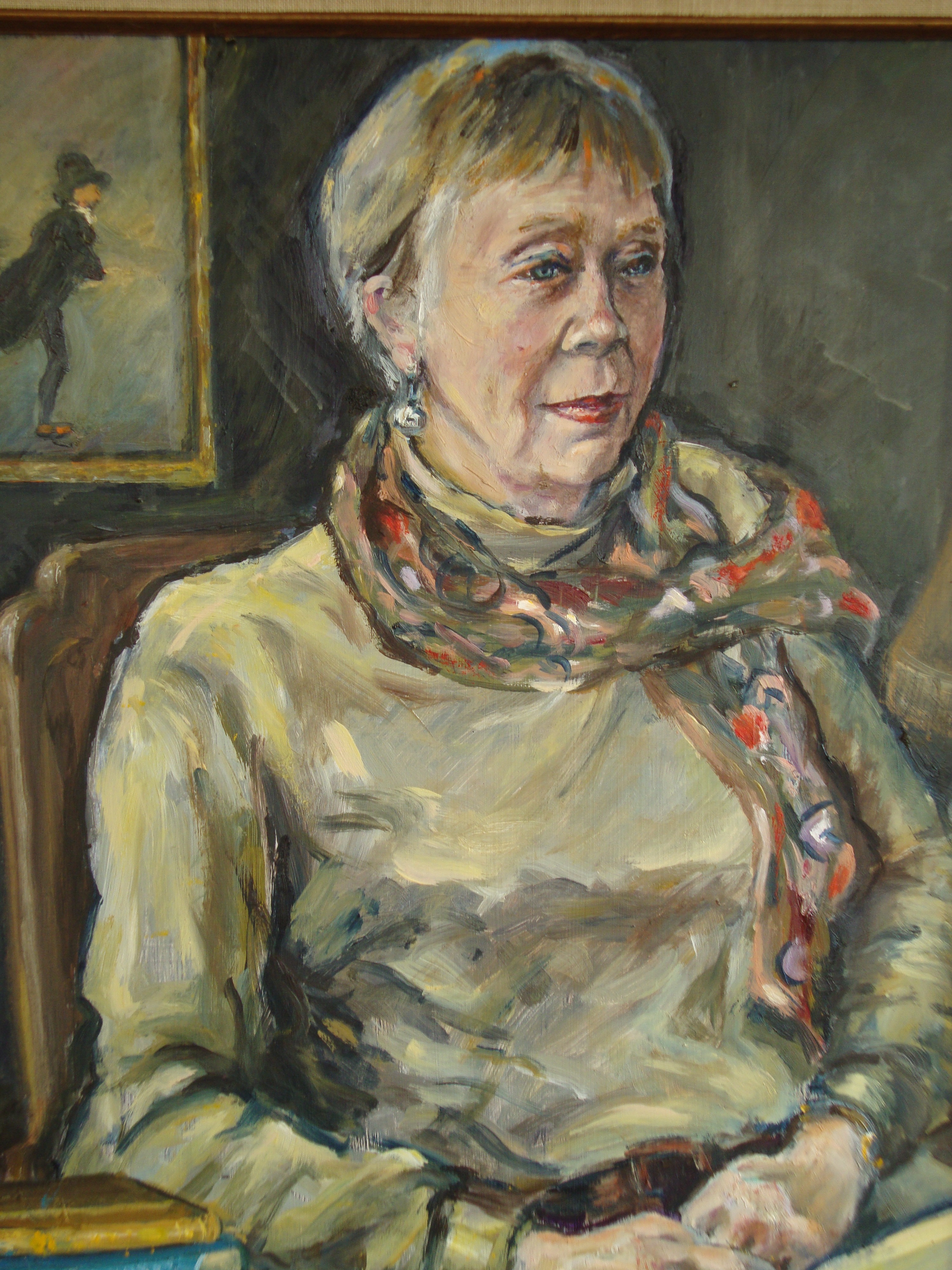
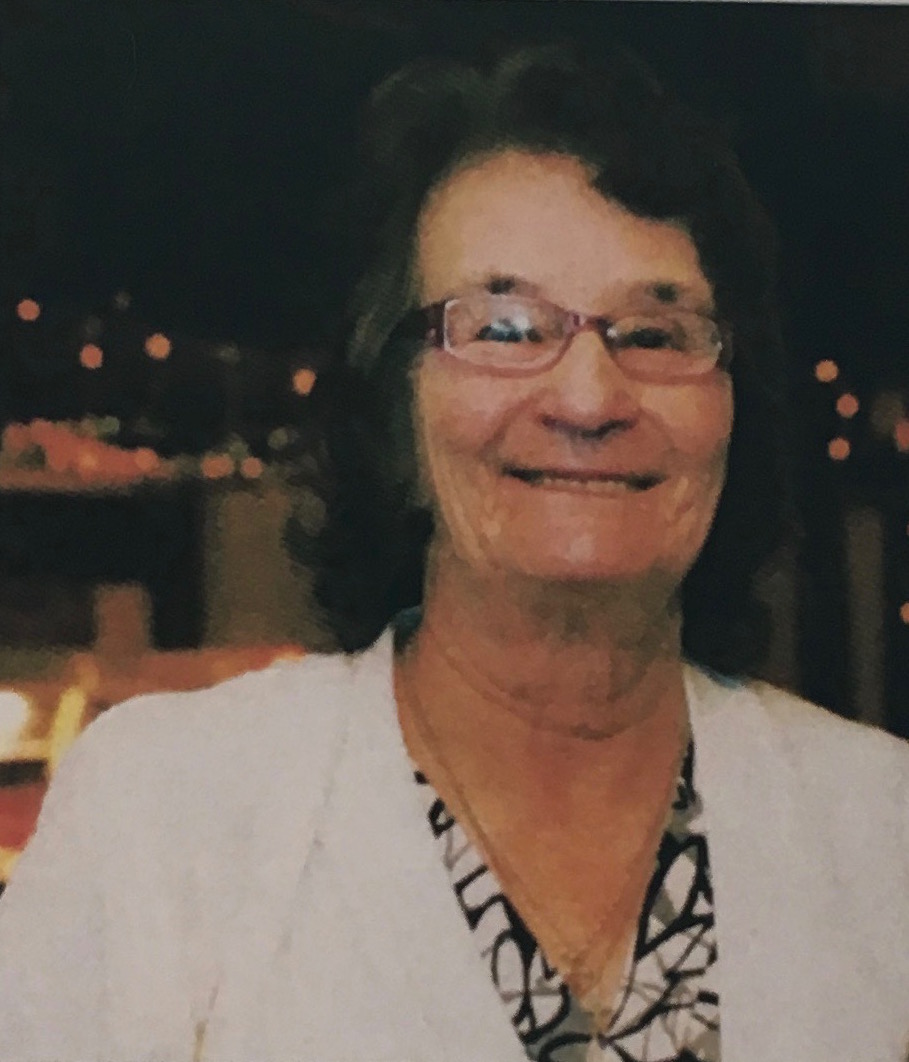
I had a particular interest in this event. The Canon’s son had placed my portrait of him in the village hall to preside over the funeral meats. Some years ago, before my friend who inspired this blog died, I painted her portrait (see below, right). She and her family were pleased with it, and it hung in their sitting room. It was seen by many and several commissions resulted. One by the wife of the Canon (I am tempted to call her Mrs Proudie, which will define her for those who have read Trollope). By this time the Canon must have been in his early 80s, and his once fine mind was deserting him.

My friend Pat, the inspiration of this blog

A portrait should, I believe, say something about the subject and his world both interior and exterior, not just reproduce a likeness. I asked that the Canon should wear his clerical suit. He – and his world – had shrunk, and the suit hung about him, symbolising the decline and the drawing in of what had been a rich intellectual and ecclesial life. Before the reveal to Mrs Proudie I showed it to friends who knew them well. Yes, they said, that is exactly him. So I took it to her, apprehensively. A great silence fell. Her mouth turned down. No comment was made. A cheque was signed and handed over, with some reluctance.

I later found out that she had not understood, living with him as she did, how much he had aged, and was shocked. I also believe she grasped intuitively how the portrait represented the shrinking of his world and of his mind. I was vindicated, however, these nine years on, by the compliments the painting elicited at the funeral.

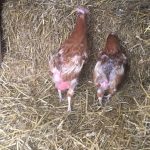
At the end of the month I went to fetch ten “adopted” hens, rescue chickens. They come from chicken factory farms all over Suffolk, and would otherwise be culled at 18 months when it is considered their most productive egg-laying days are done. The British Hen Welfare Trust arranges re-homing. My chicken run has been repaired (I trust fox-proof now) and waiting for some time.

A sad sight they are, and one which should prevent anyone buying eggs from caged hens ever again. They have few feathers, and have to be taught how to peck, scratch, and roost.


This month’s entry into this online diary is being done in a hurry. For two weeks now I have locked horns with British Telecom over their inability to restore my broadband. I have driven miles round Suffolk to scrounge connection and office space from friends, and still my broadband does not function. I wait, in a queue, the second visit of an engineer. I do not wait with much confidence. So here I am in a neighbouring village. It is 2017 and they cannot provide reliable internet connection. Maybe by the time I come to write next month’s it will be back….


August

A note to the new reader: to understand where I am coming from, in both senses, first read the static information pages in the sidebar to the left: Introduction – The Common – The Garden.
The year begins to grow old and tired. Summer lingers, but nights are chill and mornings misty. The smell now is of straw, turned earth, fruit and decay. Here in Suffolk the farming year marks our seasons, and the land bears witness to the shift of time. The month has been dominated by harvest, both arable on the grand scale and smaller, but important, horticultural ones.

Scenes from village life

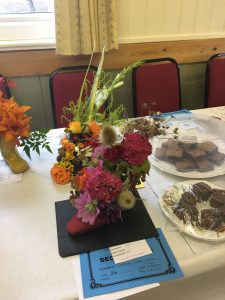
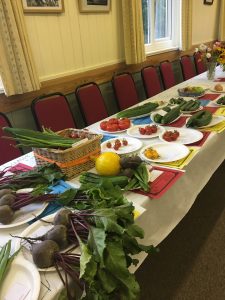
Early in the month the young dog and I walk through the rain to the village hall to view the exhibits at the Flower and Produce Show. The purpose is twofold: to further the socialisation of the excitable dog (she finds it hard to contain her exuberance when she meets people and other dogs, and thus must learn), and to spy out whether, in a future year, my own offerings might stand any chance of being placed.

There was the usual display of onions, beans, courgettes, tomatoes, beetroots, roses and sweet peas, Victoria sponges, and chocolate brownies, craft  and artwork – and then the classes for “comical vegetable”, “flower arrangement in a boot”, the latter eliciting in me the question: “Why?” I may perhaps be forgiven for the rather conservative view that flowers look better in a vase. The dog behaves – until the advent of a Jack Russell.


The following dialogue was overheard at an Over 60s Luncheon Club:

Helper 1: We have just bulk ordered some recycled lavatory paper to help the environment
Helper 2: Recycled toilet paper? Oh no, I could never use other people’s toilet paper.

Harvest

From March till mid-July we had been blessed with exceptionally warm and dry weather. Around the feast of St Swithun on 15 July the weather broke:

St Swithun’s day if thou dost rain
For forty days it will remain
St Swithun’s day if thou be fair
For forty days ‘twill rain nae mair

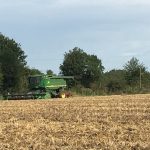
The old rhyme has proved true, for the skies turned changeable and rain fell almost every day until after the middle of August. The farmers, having had months of near drought, now dodged bad weather, waiting for crops to be dry enough to harvest, working till midnight when they were, waiting again for good weather to bring the bales in. You know a particular field is being cut when you see a golden dust cloud in the distance and hear the powerful low drone of the combine.

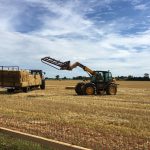
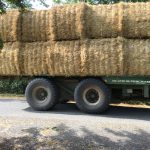
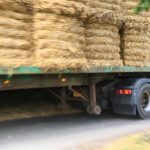
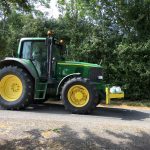
Here the narrow lane is deep-lined with straw. Long into the night huge tractors speed along the one-track road pulling trailers piled high with bales, and then race back empty, rattling, bumping and banging. Sometimes they meet, these great agricultural mastodons,  on the blind bend by my house, coming to a juddering, earthshaking halt, nose-to-nose, in the nick of time. Walking or cycling along the lane is high-risk in August.

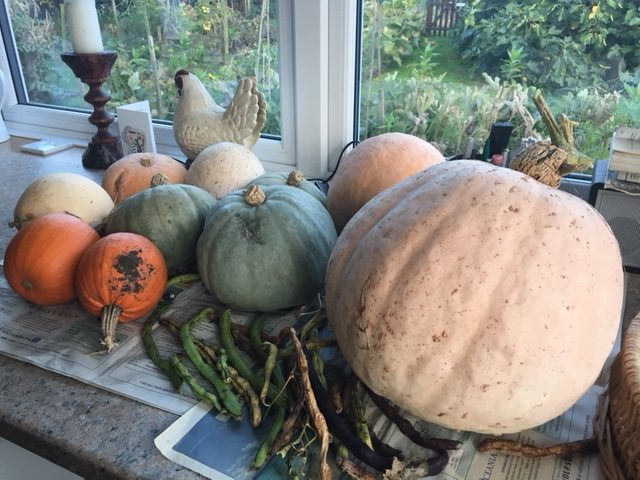
The young dog is fascinated by tractors, and she also promiscuously adores all men. A combination of the two is irresistible to her, and thus when she glimpsed the farmer in the next-door field she took off, clearing my garden fence in a mighty Grand National leap. I have spent not a little time, effort and money raising all the fences. She is nearly nine months old. Will she grow any more? We have been to a lot of training classes…she’s very good – until she isn’t.

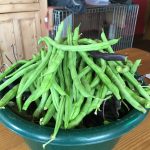
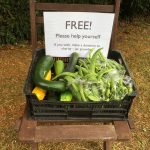
My own harvest has all but overwhelmed me this bumper year. I cannot eat or process all my vegetables and fruit quickly enough, and the freezer is full. I take crates full of produce down to the roadside, inviting – begging – people to help themselves, and to leave a donation to charity* if they wish. Gratifyingly, most do, and sometimes more than they would have paid in the shops.

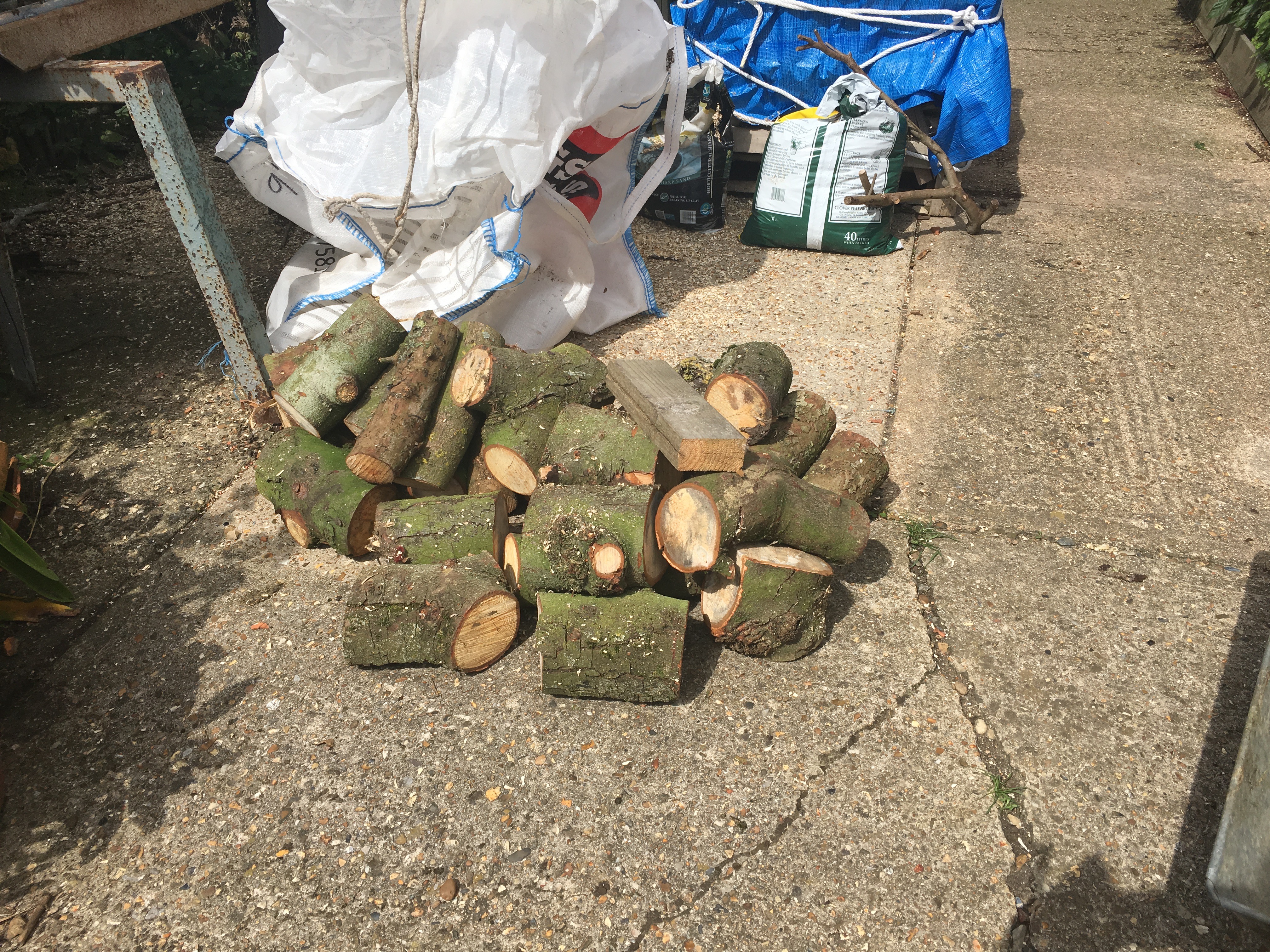
The picking and the processing continue, as do other August tasks: sawing, splitting, cutting logs and kindling. The-middle-class –Country-Living-magazine me likes to foster the illusion it puts her in touch with our ancestors, who similarly prepared for winter. At the same time of course I make sure my heating oil tank is topped up. I’m not that keen on living in the 18th century.

Shooting stars

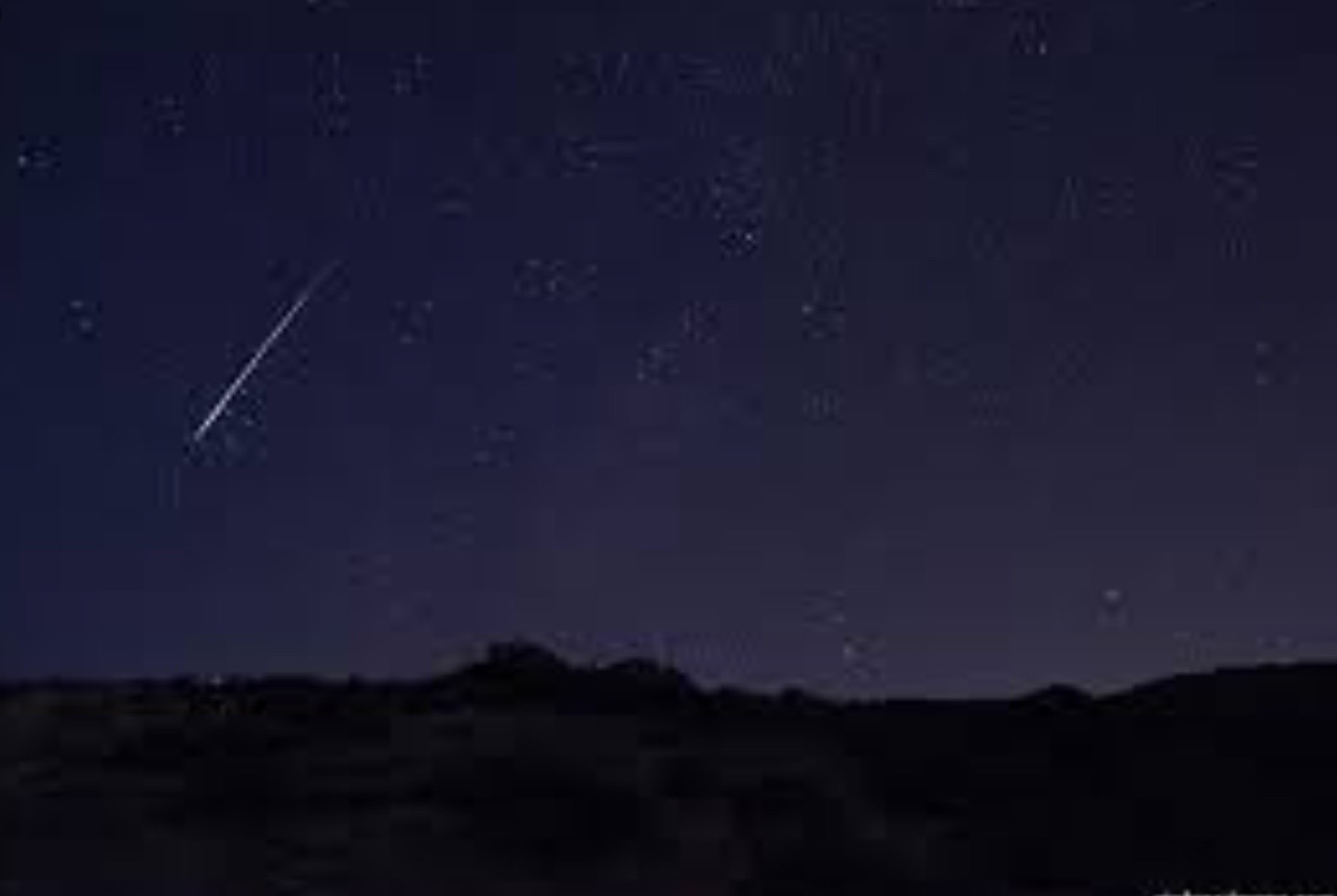
In recent years the night skies in the middle of August have been cloudy, but this year a stretch of starry clear nights allowed the excitement of the celestial firework display that is the Perseid meteor shower. I walk on the field with the dog before bedtime, staring into the north east and…whizz! Did I really see that golden streak arc across the sky? Did I see it? I then must wait for another one, and another, to make sure it was real.


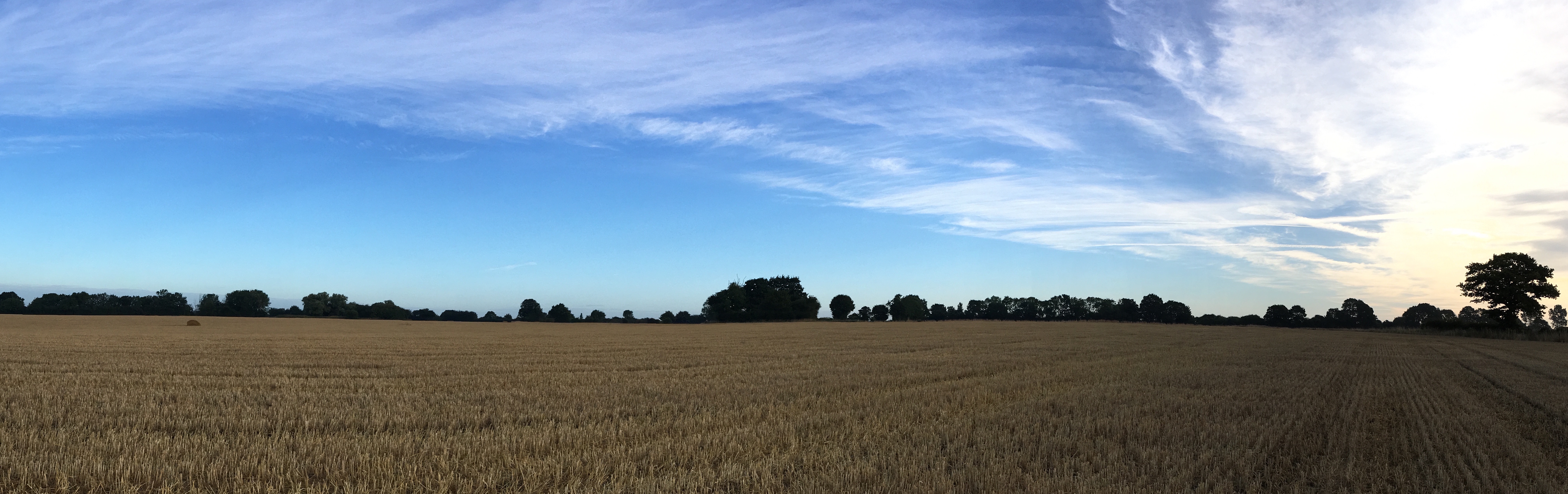
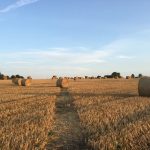
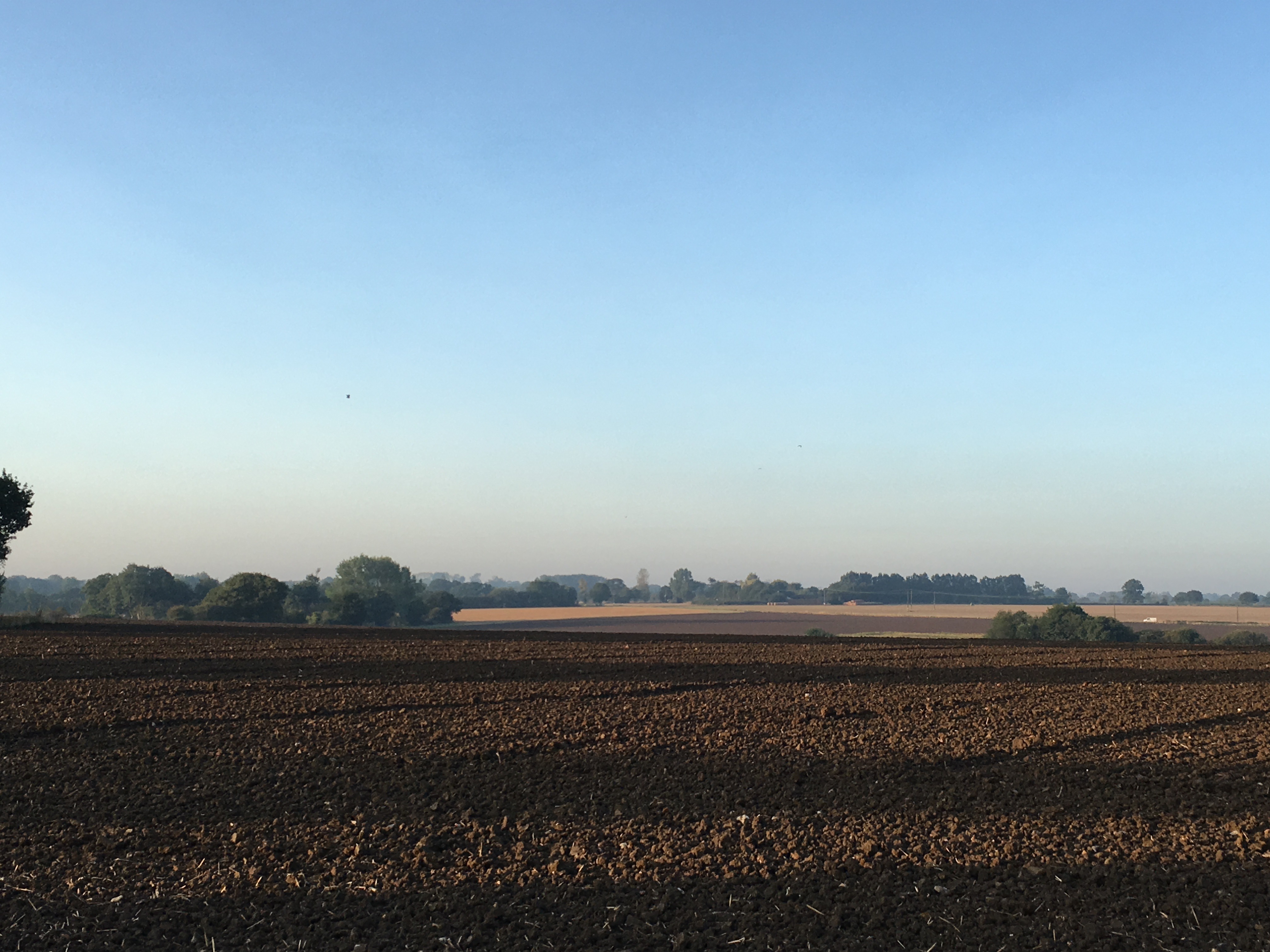
And so to September. The golden stubble fields are being ploughed, creating an autumn palette of burnt umber and siena; the days are noticeably shorter, the shadows longer, and the cycle of sowing and planting will begin all over again.


  • The charity is CAFOD, the Catholic Fund for Overseas Development, reducing poverty in the Third World.
an autumn landscape


July: a Suffolk funeral

A note to the new reader: to understand where I am coming from, in both senses, first read the static information pages in the sidebar to the left: Introduction – The Common – The Garden.
____________________________________________

She lived just nine months longer than her husband, in what she saw as exile from the cottage which had been their home for more than half a century. This same cottage, a couple of hundred meters away from mine, is now abandoned, eventually to be knocked down by its new owner, if it doesn’t fall down first.

He had been ill for three years or so, long since unable to do their twice-daily regular-as-clockwork walk round the Common. The muscle-wasting and the breathlessness became so bad they decided rather abruptly to sell and move to a bungalow in a nearby market town, where there were the advantages of no stairs, and a wet room where he could shower seated. A month after they moved, he died, leaving Margaret coping not only with his loss, but with that of all that had been familiar for 55 years, symbolised for her by the fine open view of their field and trees. All she could see now was a fence, a wall, and other houses.
She didn’t die of a broken heart, they said, but of an infection following an exploratory gall bladder operation. But I think the heart had its part to play.

On the back of the service sheet

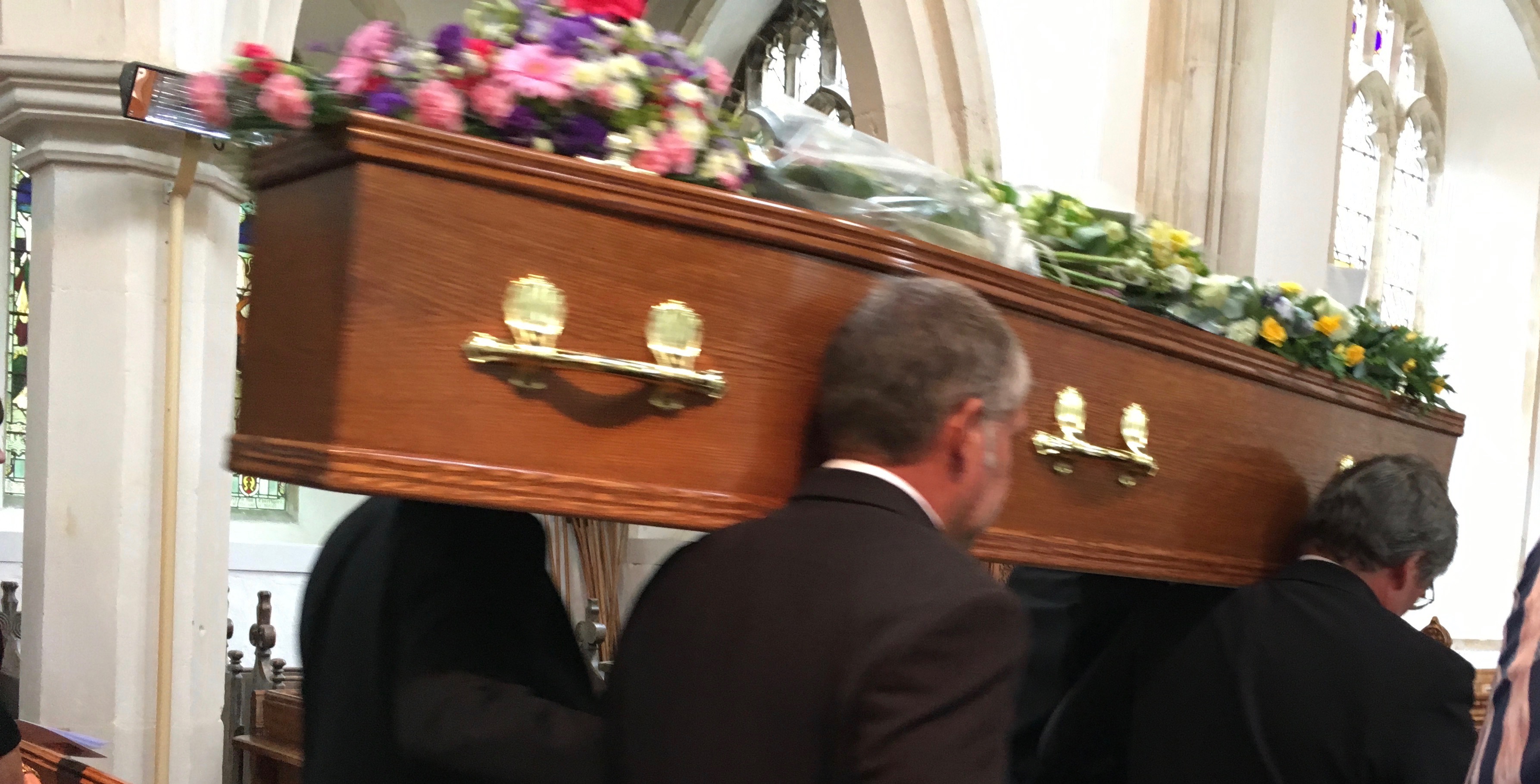
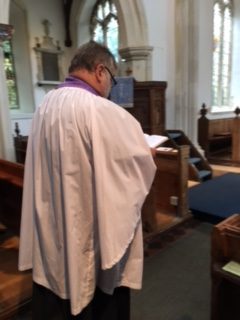
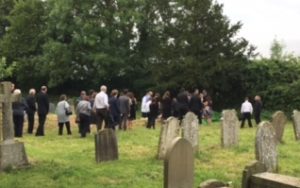
Poignantly, the family mourners gathered at their now-deserted cottage, and the hearse drove round the Common, retracing the familiar footsteps of the couple’s quotidian constitutional. The village church was full, and you could see that most people were of an age when every funeral must recall many previous, and is a reminder that one’s own cannot be far in the future.

The women seemed not to  notice the fact that, although the previous day had been oppressively humid and hot, the weather was now more like November than July – cold, blustery, wet. Bare, fleshy arms were on show in Sunday best. The men wore their funeral suits, waistbands and waistcoats ever tighter. The many grandchildren are now young adults – thin boys and girls with dark circles under their eyes, in unaccustomed black.

I hope the family were happy with the funeral (pronounced “fooneral” in Suffolk), but it seemed too quickly dispatched, brief almost to the point of disrespect, the portly vicar being known for his economy of effort. All that kept its being over in less than 20 minutes was a lengthy eulogy by one daughter, a fine comedic performance instructing the assembled company in the social mores of matrimony and housekeeping in the mid 20th century. Most of the congregation would have needed no reminding. Some perfunctory prayers and it was over.

Last summer, the morning after the referendum in which the UK voted narrowly to leave the European Union, I went next door to have a chat with John and Margaret. The conversation went like this:
Me: Are you happy with the result?
Margaret (emphatically): Oh yes, I voted “leave.”
Me: Why?
Margaret: Because we had to pay money for the family of that man with a hook in his arm.
A moment’s puzzlement: was she talking of pantomime – Peter Pan and Captain Hook? Enlightenment – she meant the payment of benefits to the daughter-in-law of Abu Hamza, the Egyptian imam deported to the USA on terrorism charges. And for reasoning such as this, dear reader, the UK is now committing economic, political, social and moral suicide.

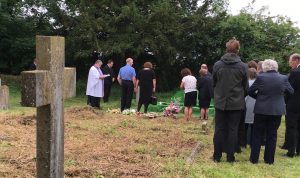
But all this was forgotten in the farewell after the funeral. After the committal in the chilly  churchyard we left, each pondering his or her own memories, or the intimations of mortality, with “Abide with me” ringing in our ears:

 Swift to its close ebbs out life’s little day;
Earth’s joys grow dim, its glories pass away;
Change and decay in all around I see:
O thou who changest not, abide with me.